GB/T 3921.1–3921.5 (1997) is a five-part GB/T method series for evaluating textile color fastness to washing, using defined “Test 1” through “Test 5” conditions to assess shade change and staining on adjacent fabrics.
These parts were withdrawn on December 1, 2008 and are commonly encountered today as legacy citations in older brand specs, supplier test plans, and historical compliance records. If you need help matching a customer requirement to the correct edition or replacement method, contact our team.
GB/T 3921.1–3921.5 (1997) — Textiles—Tests for colour fastness—Colour fastness to washing (Tests 1–5)
GB/T 3921.1-1997 through GB/T 3921.5-1997 are five related methods within the GB/T color fastness framework for determining how washing affects the color of dyed or printed textiles and the potential for color transfer to adjacent materials.
Each part is a distinct test (“Test 1” to “Test 5”). All five parts are listed as method documents and were later replaced by GB/T 3921-2008.
Quick Definition
GB/T 3921.1–3921.5 (1997) defines a set of standardized laundering-type exposures and an evaluation approach used to rate color change and staining after washing.
What This Standard Covers
This method series covers laboratory procedures used to simulate washing effects on textile coloration, with multiple test options intended to represent different levels of washing severity (Tests 1–5).
The outputs are typically comparative fastness ratings used in QA/QC decisions, supplier qualification, and conformance checks against product specifications.
Why This Standard Matters in Testing
Color fastness to washing is frequently used as a release gate for apparel and textile goods because it directly affects appearance retention and the risk of staining other components (linings, trims) or other items during laundering.
For labs and factories, aligning the exact cited test number (3921.1 vs 3921.5) and the edition is critical, because equipment settings and pass/fail criteria in product specs are often written around a specific method reference.
Common Materials, Product Types, or Applications Covered
This series is commonly applied to colored textile materials and products where laundering is expected during consumer use, including apparel fabrics, home textiles, and finished items made from dyed or printed textiles.
It is also commonly referenced in supply-chain quality documents when exporting or producing for programs that cite GB/T color fastness methods.
Common Test or Verification Workflow
In a typical workflow, a specimen is combined with specified adjacent fabric(s), exposed to a controlled washing procedure defined by the cited test number, then evaluated for color change and staining using standardized rating tools.
Common workflow elements: specimen preparation with adjacent fabric, controlled wash exposure, drying/conditioning as required, visual rating (and/or instrumental support where allowed by the lab’s quality system), and test reporting tied to the specific part number.
Equipment Commonly Used for This Standard
Because GB/T 3921.1–3921.5 is a method series, equipment selection is usually driven by the need to reproduce controlled wash conditions and to score staining and shade change consistently.
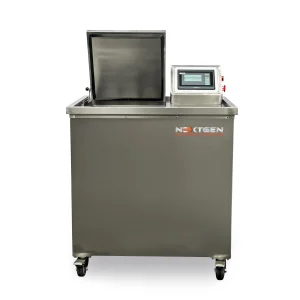
Common equipment categories: color fastness to washing tester (launderometer / Rotawash-style system), stainless steel test containers, temperature-controlled agitation, laboratory balance and dispensing tools for wash liquor preparation, standardized adjacent fabrics, and gray scales / staining assessment tools (plus suitable lighting for visual evaluation).
If you are equipping a lab for GB/T wash-fastness work and need to match capacity, temperature control, and container configuration to your throughput, you can request a detailed quote for a setup aligned to your test plan.
How to Read This Designation or Revision
GB/T indicates a recommended (non-mandatory) national standard of China.
3921.1 to 3921.5 indicates five separate parts within the same test series, each labeled as a different washing test (Test 1 through Test 5). The “1997” year identifies the publication year of these parts.
Status note: GB/T 3921.1-1997 through GB/T 3921.5-1997 were withdrawn on December 1, 2008 and replaced as a set by GB/T 3921-2008. When a customer specification cites “GB/T 3921” without the part number, it is important to clarify whether it intends the legacy 1997 part-series or the 2008 consolidated document.
Related Standards, Methods, or Frameworks when useful
Each 1997 part aligns with an ISO 105-C washing test designation as adopted in China: GB/T 3921.1-1997 (ISO 105-C01:1989), GB/T 3921.2-1997 (ISO 105-C02:1989), GB/T 3921.3-1997 (ISO 105-C03:1989), GB/T 3921.4-1997 (ISO 105-C04:1989), and GB/T 3921.5-1997 (ISO 105-C05:1989).
The direct replacement for the five-part 1997 series is GB/T 3921-2008 (Textiles — Tests for colour fastness — Colour fastness to washing with soap or soap and soda), which consolidated and superseded GB/T 3921.1–3921.5.
Talk to our team about GB/T wash-fastness setup
If you are updating from a legacy GB/T 3921.1–3921.5 citation to a newer requirement, or you need to confirm which test number a buyer spec is calling for, talk with our team about your materials, throughput, and reporting needs.