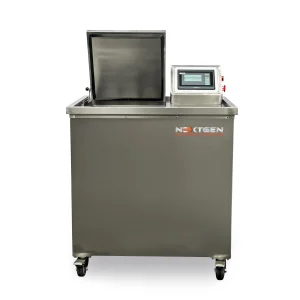
GB/T 5711 is a Chinese national test method used to evaluate textile color fastness to drycleaning using perchloroethylene solvent. It is commonly specified for dyed or printed fabrics and finished textile products where appearance retention after professional care is a requirement.
If you need help mapping GB/T 5711 requirements to your sample type, acceptance criteria, or lab setup, you can talk with our team about the most practical path for your workflow.
GB/T 5711-2015: Textiles—Tests for colour fastness—Colour fastness to drycleaning using perchloroethylene solvent
GB/T 5711 is used to assess how a textile’s color changes and how much it can stain an adjacent fabric during a perchloroethylene-based drycleaning exposure carried out under defined conditions.
| Item | What buyers typically need to know |
|---|---|
| Standard | GB/T 5711-2015 |
| Test focus | Discoloration of the specimen and staining of adjacent fabric after perchloroethylene drycleaning exposure |
| Typical outputs | Grey scale ratings and/or instrumental assessment results (depending on what is specified) |
| Edition sensitivity | Equipment details, conditioning/drying requirements, and reporting can vary by cited edition |
Quick Definition
What it is: A color fastness drycleaning test method using perchloroethylene solvent.
What it tells you: Whether a textile is likely to show unacceptable shade change or cause staining/bleeding during professional drycleaning.
Where it’s used: Apparel, linings, trims, and home textiles where “dry clean” care is expected or where professional care performance is required by a product standard or customer specification.
What This Standard Covers
GB/T 5711 covers a laboratory procedure for exposing a textile specimen (typically combined with an adjacent fabric) to perchloroethylene solvent with controlled mechanical action, followed by evaluation of:
- Change in color of the original specimen (discoloration)
- Staining transferred onto adjacent fabric(s)
This standard is focused on color fastness performance. It is not a general “drycleanability” standard for overall garment durability, dimensional stability, or trim/accessory performance unless another cited document expands the evaluation.
Why This Standard Matters in Testing
Professional care claims can be a major source of quality escapes and customer complaints. GB/T 5711 is commonly used to reduce risk in areas such as:
- Shade change after drycleaning (appearance retention)
- Dye bleed or color transfer onto light-colored components, pocketing, or linings
- Batch-to-batch consistency for dyeing, printing, and finishing processes tied to “dry clean” product requirements
When procurement teams or brand specs require a minimum rating, the practical goal is repeatable, defensible lab screening that correlates to real-world professional care exposure.
Common Materials, Product Types, or Applications Covered
GB/T 5711 is most often applied to textiles where color fastness under drycleaning conditions is critical, such as:
- Woven and knitted fabrics (dyed or printed)
- Garment fabrics, linings, and pocketing
- Decorative textiles that may be professionally cleaned
Because staining evaluation relies on adjacent fabric selection, material category and fiber blends should be matched to the exact adjacent fabric(s) required by the governing product specification.
Common Test or Verification Workflow
A typical GB/T 5711 workflow in a textile lab includes:
- Prepare the specimen and attach it to a specified adjacent fabric
- Expose the assembly to perchloroethylene solvent under defined agitation/mechanical action in a sealed container
- Remove solvent, then dry the test assembly per the standard’s requirements
- Grade color change (specimen) and staining (adjacent fabric) using grey scales and/or instrumental methods when specified
- Report ratings and key test conditions per the required format
Practical note: Repeatability is highly dependent on controlling solvent handling, container condition/cleanliness, and post-exposure drying steps, in addition to consistent grading conditions.
Equipment Commonly Used for This Standard
GB/T 5711 typically points labs toward a color fastness drycleaning system capable of running perchloroethylene solvent exposures with controlled mechanical action and secure stainless-steel test containers.
Common equipment: Drycleaning color fastness tester (container-based agitation system), stainless-steel containers and inserts, solvent-handling and ventilation provisions suitable for perchloroethylene, centrifuge or extraction capability where required, and controlled drying capability.
Evaluation tools: Grey scales for color change and staining are commonly used, and some workflows also use instrumental color measurement when required by the governing specification.
If you are selecting a tester configuration, container set, or lab-safe solvent handling accessories for this method, you can request a detailed quote matched to your throughput and reporting needs.
How to Read This Designation or Revision
GB/T 5711 identifies the method number within China’s GB/T (recommended national standard) system.
GB/T 5711-2015 indicates the 2015 edition of the standard. Many procurement documents and product standards cite a specific edition, so equipment setup details and reporting expectations should be aligned to the exact year specified in the contract or test plan.
Revision sensitivity: This method is aligned with the ISO 105 color fastness framework for drycleaning (perchloroethylene). If your customer cites an ISO method instead of GB/T 5711, confirm whether the acceptance criteria and grading approach must follow ISO wording or the GB/T-adopted version.
Related Standards, Methods, or Frameworks
GB/T 5711 is commonly used alongside color fastness assessment tools and adjacent-fabric specifications, because grading and staining evaluation depend on consistent reference materials.
Commonly paired items: Grey scales for color change and staining, specified adjacent fabrics (single-fiber or multifiber), and general color fastness testing principles used across GB/T and ISO 105 methods.
Get help selecting a GB/T 5711 test setup
If you need a practical equipment configuration for perchloroethylene drycleaning color fastness testing—based on your specimen types, throughput targets, and grading approach—ask for a quote and include the exact edition and any customer-specific acceptance criteria.