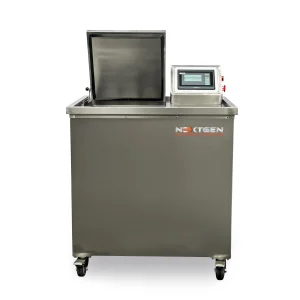
ISO 105-C01 is a textile colour fastness washing test (Test 1) used to evaluate how a dyed or printed textile changes in colour and how much it stains adjacent fabric(s) after a controlled soap-wash treatment.
Because this document has been withdrawn and replaced in the ISO 105 series, many labs treat it as a legacy citation that must be matched carefully to customer or specification language. If you need help mapping a requirement to the right current method and setup, talk with our team.
ISO 105-C01:1989 — Textiles — Tests for colour fastness — Part C01: Colour fastness to washing: Test 1
ISO 105-C01 is part of the ISO 105 colour fastness series for textiles. It describes “Test 1” in a series of standardized washing procedures used to evaluate colour change in the test specimen and staining on one or more adjacent fabrics after a defined wash exposure.
This standard is published as ISO 105-C01:1989 and its ISO status is withdrawn; it was revised by ISO 105-C10:2006. When a purchase order, brand manual, or internal spec still cites ISO 105-C01, the edition and replacement expectations should be clarified before test setup and reporting.
Quick definition
ISO 105-C01 (Test 1) is a laboratory washing colour fastness method where a textile specimen is washed in a soap solution with adjacent fabric(s), then evaluated for (1) change in colour and (2) staining of the adjacent fabric(s) using grey scale assessment.
What this standard covers
ISO 105-C01 outlines a controlled wash exposure intended to simulate colour loss and colour transfer that can occur during washing. The method is built around a specimen that is placed in contact with specified adjacent fabric(s), mechanically agitated in a soap solution at a defined temperature and time, then rinsed and dried prior to evaluation.
The method’s output is an assessment (rating) of the specimen’s colour change and the adjacent fabric(s) staining, using grey scales commonly used across the ISO 105 colour fastness framework.
Why this standard matters in testing
Washing fastness is often a go/no-go quality requirement for apparel, home textiles, and other coloured textile products, especially where appearance retention and colour transfer risk (to other items or components) must be controlled.
In practice, ISO 105-C01 tends to be used to support product qualification, incoming material approval, supplier comparisons, and investigative testing when shade change or bleeding is reported after laundering.
Common materials, product types, or applications covered
ISO 105-C01 is used for textiles in many forms where colour is applied by dyeing or printing and washing exposure is relevant. Typical examples include fabrics for garments, trims, and household textiles where colour transfer (staining) and colour change after washing are key concerns.
Adjacent fabrics are part of the evaluation concept, so the method is commonly selected when a test plan needs both “appearance change” and “bleed/transfer” information from the same wash exposure.
Common test or verification workflow
ISO 105-C01 workflows are usually built around controlled preparation, a standardized wash exposure, and visual grading.
Typical workflow: Prepare a textile specimen with one or two specified adjacent fabrics, run the defined agitated soap wash exposure at controlled time/temperature, rinse and dry, then grade colour change and staining using grey scales.
Reporting focus: Ratings for colour change of the specimen and staining of the adjacent fabric(s), plus enough test-condition detail (equipment, temperature, time, and wash liquor) to make the result reproducible for audits and supplier comparisons.
Equipment commonly used for this standard
ISO 105-C01 is equipment-oriented primarily around controlled washing agitation and consistent temperature/time control, followed by standardized visual assessment.
Common equipment: Laboratory colour fastness washing tester (launderometer/“gyrowash”-style) capable of controlled mechanical agitation and temperature; sealed test containers; temperature measurement and control accessories; specimen handling and drying tools; and the appropriate grey scales and viewing conditions for consistent grading.
Selection caution: Equipment configuration should match the specific method conditions and container format expected by the cited edition and any customer-specific interpretation (especially important when ISO 105-C01 is referenced as a legacy requirement).
How to read this designation or revision
ISO 105-C01 refers to Part C01 in the ISO 105 series (colour fastness), and this part specifically describes “Colour fastness to washing: Test 1.”
Edition note: ISO 105-C01:1989 is withdrawn and was revised by ISO 105-C10:2006. When you see ISO 105-C01 on a requirement, confirm whether the customer expects strict compliance to the older method language or acceptance of the replacement method in ISO 105-C10.
Related standards, methods, or frameworks when useful
Colour fastness requirements are often specified as part of broader textile performance programs (brand specifications, uniform programs, institutional laundering requirements, or product standards). For ISO-based wash fastness references, ISO 105-C10 is commonly used as the replacement for legacy ISO 105-C01 citations.
Many test plans also pair wash fastness results with other colour fastness exposures (such as rubbing and light), but those should be selected explicitly based on the end-use and the exact requirement language.
Get help selecting a washing fastness test setup
If you are outfitting a lab for ISO 105 washing fastness work or replacing an older launderometer, you can request a detailed quote for a washer configuration, containers, and assessment accessories aligned with your required method and throughput.