ISO 105-C02 is a textile colour fastness washing test (Test No. 2) used to evaluate how a dyed or printed textile resists colour change and how much colour transfers (stains) onto adjacent fabric(s) during a controlled soap-wash exposure.
This document is withdrawn and has been superseded by newer ISO washing fastness methods, so purchase specifications often need an edition check before you set up the lab workflow. If you need help mapping a customer requirement to the correct current method and equipment approach, talk with our team.
ISO 105-C02: Textiles — Tests for colour fastness — Part C02: Colour fastness to washing (Test 2)
ISO 105-C02 is part of the ISO 105 series for textile colour fastness. It describes a specific wash fastness exposure (identified as “Test No. 2”) where a textile specimen is washed under defined conditions in a soap solution while in contact with one or two adjacent fabrics, then evaluated for colour change and staining.
Status note: ISO 105-C02:1989 is withdrawn (published December 1989; withdrawn June 14, 2006). Many organizations now reference ISO 105-C10 instead, so it is important to confirm what the contract, brand manual, or technical file is actually calling up.
Quick Definition
What it is: A controlled colour fastness to washing method (Test 2) for textiles.
What it measures: (1) change in colour of the test specimen after washing and (2) staining of adjacent fabric(s) from dye transfer.
What it does not do: It is a standardized colour fastness check, not a complete “real-life laundering” simulation for a full garment system.
What This Standard Covers
ISO 105-C02 defines a repeatable wash exposure built around mechanical agitation, a specified time/temperature profile, and a soap solution. The specimen is washed in contact with adjacent fabric(s), then rinsed and dried before grading.
Results are reported as visual ratings for colour change on the specimen and staining on the adjacent fabric(s), typically using grey scale-style assessments used across the ISO 105 colour fastness system.
Why This Standard Matters in Testing
Wash fastness problems show up as shade change, dulling, bleeding, or unwanted colour transfer onto other materials. ISO 105-C02 supports practical decisions in dye selection, process control, and incoming/outgoing QC by providing a comparable, documented wash exposure for colour durability screening.
Because many product specifications reference a particular ISO 105 wash test number, using the wrong wash condition can create disputes (pass/fail differences) even when the same fabric is tested. Edition and method alignment matters as much as the instrument itself.
Common Materials, Product Types, or Applications Covered
ISO 105-C02 is used for coloured textiles in many forms, including fabric yardage and finished textile components, where a buyer wants an objective check for wash-related colour change and dye transfer risk.
Common examples: Apparel fabrics, workwear textiles, uniform fabrics, upholstery textiles, home textiles, and dyed/printed fabric constructions where adjacent-material staining is a concern.
Common Test or Verification Workflow
A typical ISO 105-C02 workflow is built around preparing a specimen and adjacent fabric assembly, running a controlled washing/agitation cycle in a soap solution, then grading appearance changes after rinsing and drying.
Typical workflow elements: specimen + adjacent fabric assembly, controlled wash liquor preparation, timed temperature-controlled agitation, rinse and dry, then visual grading for colour change and staining.
Equipment Commonly Used for This Standard
ISO 105-C02 points to a colour fastness-to-washing test setup where washing conditions are controlled and repeatable. Equipment selection should focus on controlling agitation, temperature, time, and wash liquor ratio, as well as producing consistent post-wash evaluation.
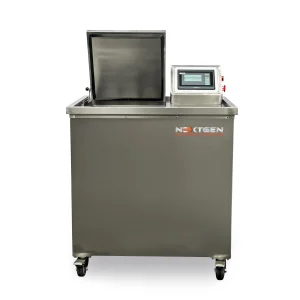
Common equipment families: laboratory wash fastness tester (launderometer-style) with heated bath and sealed containers, temperature verification tools, controlled drying capability, and a standardized colour evaluation setup (viewing cabinet/controlled lighting and rating tools).
If you are comparing wash fastness tester configurations (capacity, temperature control, container format, and reporting workflow), you can request a detailed quote for an equipment package matched to your throughput and compliance needs.
How to Read This Designation or Revision
ISO 105 indicates the ISO series for textile colour fastness testing.
C02 identifies Part C02 within that series and corresponds to colour fastness to washing, specifically “Test No. 2.”
Revision/edition sensitivity: ISO 105-C02 is a withdrawn document (with a published 1989 edition). Many modern specifications use ISO 105-C10 instead; always confirm the exact cited designation and edition in the requirement you are working to.
Related Standards, Methods, or Frameworks
ISO 105-C02 is part of the broader ISO 105 colour fastness framework, which includes separate parts for rating/assessment tools and for other colour fastness exposures (light, rubbing, perspiration, water, and laundering variants).
When a buyer references ISO 105-C02, it is common for the overall test plan to also specify how colour change and staining are graded (grey scale-based visual assessment) and what adjacent fabric(s) must be used. Those companion requirements can affect both lab consumables and reporting format.
Talk to Us About ISO 105-C02 / Wash Fastness Test Setups
If you need to run legacy ISO 105-C02 Test 2 requirements or transition to a current ISO washing fastness method, contact our team to discuss the cited edition, throughput targets, and the right wash fastness tester and evaluation workflow for your lab.