ISO 105-C05 is a textile colour fastness washing method (Test 5) used to evaluate how a dyed or printed textile’s colour changes after a controlled soap-wash exposure, and how much colour transfers (stains) onto adjacent fabric.
Although ISO 105-C05:1989 is withdrawn and has been revised by ISO 105-C10, it is still referenced in some legacy specifications and buyer requirements. If you need help matching an older callout to a current lab procedure or quote package, talk with our team.
ISO 105-C05:1989 — Textiles — Tests for colour fastness — Part C05: Colour fastness to washing: Test 5
ISO 105-C05 is part of the ISO 105 colour fastness series for textiles and describes “Test No. 5” in the washing-test group.
The method focuses on a controlled washing exposure (mechanical agitation in a soap solution at a defined temperature and time), followed by rating both colour change on the specimen and staining on adjacent fabric using grey scales.
Quick Definition
ISO 105-C05 is a colour fastness to washing test where a textile specimen is washed in a soap solution under defined conditions while in contact with specified adjacent fabric(s), then evaluated for colour change and staining using grey scales.
What This Standard Covers
This standard describes a specific washing fastness test within a set of washing tests.
Core outcomes: Visual ratings for (1) change in colour of the test specimen and (2) staining of one or two adjacent fabrics after the wash exposure.
Exposure type: Mechanical agitation in a soap solution under defined time/temperature conditions, followed by rinsing and drying prior to evaluation.
Why This Standard Matters in Testing
Colour fastness to washing is commonly used to qualify dyes/prints, compare finishing or after-treatment options, and reduce customer complaints related to fading or colour transfer during washing.
In procurement and QA/QC workflows, results are often used as an acceptance check against brand, retailer, or uniform-program requirements where staining onto adjacent materials is a key risk.
Common Materials, Product Types, or Applications Covered
ISO 105-C05 is written for textiles in general and is typically used for dyed or printed fabrics where washing exposure could cause colour change or bleeding.
Common examples: Apparel fabrics, workwear and uniform textiles, home textiles, and other coloured textile materials where wash durability and staining control are important.
Common Test or Verification Workflow
In a typical lab workflow, the test specimen is prepared and placed in contact with specified adjacent fabric(s). The assembly is then agitated in a soap solution at a defined temperature and time, rinsed, and dried.
After drying, the specimen is rated for colour change and the adjacent fabric(s) are rated for staining using grey scales.
Common workflow outputs: Grey scale grades for colour change and staining, recorded with the test conditions used.
Equipment Commonly Used for This Standard
This method is equipment-light, but it depends on consistent agitation, temperature control, and repeatable evaluation conditions.
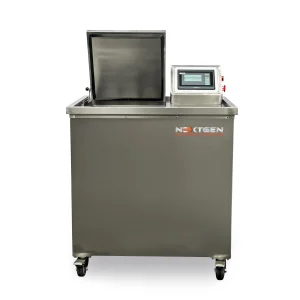
- Washing/agitation system: A laboratory wash fastness unit (often called a launderometer-type system) capable of controlled mechanical agitation in sealed containers.
- Temperature control: A thermostatically controlled bath or integrated heater/control package to maintain the specified wash temperature.
- Test containers and accessories: Suitable containers and holder hardware for the specimen plus adjacent fabric(s), with repeatable loading and agitation.
- Rinsing and drying setup: Facilities to rinse and dry specimens consistently prior to grading.
- Colour assessment tools: Grey scales for grading colour change and staining, plus standardized viewing conditions (commonly a controlled light source or viewing cabinet) to support consistent visual assessment.
If you are building a wash fastness station or updating an older setup to align with current purchasing requirements, you can request a detailed quote for a configuration matched to your throughput and reporting needs.
How to Read This Designation or Revision
ISO 105 identifies the ISO series for textile colour fastness testing.
Part C05 identifies the specific washing test part in the series, titled “Colour fastness to washing: Test 5.”
ISO 105-C05:1989 indicates the 1989 published edition of this part. This document is withdrawn, and ISO identifies ISO 105-C10:2006 as the revision that replaced it.
Revision sensitivity: When a customer specification cites ISO 105-C05, confirm whether it expects the historical procedure exactly as written or whether an updated method (such as ISO 105-C10) is acceptable for compliance reporting.
Related Standards, Methods, or Frameworks
ISO 105-C05 is part of a larger ISO 105 family of colour fastness methods. For washing fastness programs, the ISO catalogue identifies ISO 105-C10 as the published revision that replaced ISO 105-C05.
When a program includes domestic or commercial laundering simulation beyond a single controlled wash exposure, other ISO 105 washing/laundering parts may be specified by the purchaser. Always match the method to the exact requirement written in the product or brand specification.
Get help selecting wash fastness equipment for ISO 105 programmes
If you are equipping a lab for colour fastness to washing work—whether supporting a legacy ISO 105-C05 callout or transitioning to ISO 105-C10—request pricing for a complete wash fastness setup (agitation unit, temperature control, containers, and evaluation accessories) sized to your workflow.