ISO 105-C08:2010 is an ISO textile colour fastness method used to evaluate how well dyed or printed textiles resist colour change and colour transfer (staining) during domestic or commercial laundering when a non-phosphate reference detergent with a low-temperature bleach activator is used.
It is commonly specified for apparel, workwear, uniforms, home textiles, and other washable textile products where laundering durability needs to be demonstrated in a controlled, repeatable lab test. If you need help matching the right wash procedure, adjacent fabric set, and evaluation method to your product and customer requirement, talk with our team.
ISO 105-C08:2010 — Textiles — Tests for colour fastness — Part C08
This part of the ISO 105 series focuses on laundering colour fastness using a defined, non-phosphate reference detergent system that incorporates a low-temperature bleach activator. The outcome is typically expressed as (1) change in colour of the specimen and (2) staining on adjacent fabric(s).
The goal is not to certify a textile product, but to provide a standardized way to compare materials, dyes, prints, and finishing systems under a consistent laundering exposure.
Quick Definition
In plain terms: A controlled lab laundering exposure is applied to a textile specimen (usually with adjacent fabric(s)), and the material is graded for colour change and for staining/colour transfer after washing.
What you get: Repeatable colour fastness grades that support supplier qualification, product development comparisons, and QA/QC release testing where this specific ISO procedure is referenced.
What This Standard Covers
ISO 105-C08:2010 specifies method(s) for determining the resistance of colour in textiles (all kinds and all forms) to domestic or commercial laundering procedures used for normal household articles, using a non-phosphate reference detergent incorporating a low-temperature bleach activator.
In practice, it is used to evaluate both:
Colour change: How much the original specimen shade changes after laundering.
Staining: How much colour transfers onto adjacent textile material(s) in contact during laundering.
Why This Standard Matters in Testing
Laundering is one of the most common end-use stresses for textiles. ISO 105-C08 provides a standardized way to compare colour durability in a laundering environment that includes a defined detergent system (non-phosphate reference detergent with a low-temperature bleach activator), which can be important when customers or brands specify that detergent chemistry in addition to the mechanical washing action.
Because wash fastness results are sensitive to the exact procedure details (equipment type, liquor ratio, detergent system, adjacent fabrics, and evaluation approach), ISO 105-C08 is often referenced directly in test reports and supplier agreements rather than being treated as interchangeable with other wash fastness methods.
Common Materials, Product Types, or Applications Covered
ISO 105-C08 can be applied broadly across textile substrates and constructions where laundering performance is important, including:
- Dyed or printed woven and knitted fabrics
- Garments and garment panels (apparel, uniforms, workwear)
- Home textiles (such as bed linens and similar washable items)
- Textile components where staining of other materials in contact is a concern
In many lab workflows, the standard is selected when a purchase specification calls out this exact part number (C08) and detergent system, rather than a more general “wash fastness” requirement.
Common Test or Verification Workflow
A typical ISO 105-C08 workflow in a textile lab includes:
- Preparing the specimen and pairing it with specified adjacent fabric(s) to evaluate staining
- Running a controlled laundering exposure using the specified reference detergent system
- Rinsing and drying the test assembly as required by the procedure
- Assessing and grading colour change and staining using the specified evaluation approach for the ISO 105 series (visual grading is common; some labs also use instrumental evaluation when required)
- Reporting grades, test conditions, and the cited edition of the standard
Practical note: Results can shift if the adjacent fabric set, rating method, or laundering parameters differ, so purchasing and QA teams typically lock the exact edition and test conditions in the test plan and report format.
Equipment Commonly Used for This Standard
ISO 105-C08 is primarily a controlled laundering/colour fastness evaluation method, so equipment selection usually focuses on repeatable wash exposure and consistent grading conditions.
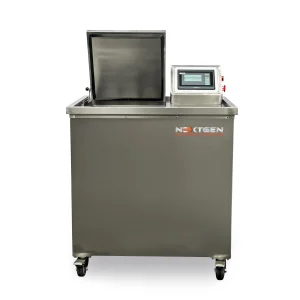
Common equipment: Laboratory wash fastness tester (laundering unit with controlled agitation and temperature), stainless steel test containers/canisters as applicable to the chosen apparatus, controlled-temperature water supply, calibrated balance for detergent dosing, drying setup (as required by the procedure), and standardized viewing conditions for colour assessment (including colour grading tools used in textile fastness testing).
What matters for quoting: The right tester configuration is usually driven by the required method conditions, the number of specimens per run, and the lab’s throughput targets. If you are specifying a new laundering tester or replacing an older system for ISO 105-C08 work, you can request a detailed quote with the capacity and control features matched to your workflow.
How to Read This Designation or Revision
ISO 105 identifies the ISO series for textile colour fastness testing.
C08 identifies Part C08, which addresses colour fastness to domestic and commercial laundering using a non-phosphate reference detergent incorporating a low-temperature bleach activator.
:2010 indicates the publication year of the cited edition (ISO 105-C08:2010 is Edition 2). When ordering tests, writing specifications, or comparing historical data, the cited year matters because procedure details and referenced materials can differ between editions.
Related Standards, Methods, or Frameworks
ISO 105-C08 is one part of the broader ISO 105 colour fastness series. In real lab programs, it is often used alongside other colour fastness exposures (for example, rubbing, water, perspiration, light, or other laundering variants) based on end-use and customer requirements.
Staining evaluation commonly relies on standardized adjacent fabrics and standardized grading practices used across textile colour fastness testing. When a customer specification references multiple ISO 105 parts, aligning the adjacent fabric selection and grading approach across the full test plan helps reduce ambiguity when comparing results between labs or between product lots.
Get help selecting a test setup for ISO 105-C08
If you need a laundering tester and evaluation setup aligned to ISO 105-C08 capacity and reporting expectations, request pricing and include your sample type, expected weekly volume, and any customer-mandated conditions so the configuration matches your lab’s workflow.