ISO 105-C09 is a textile colour-fastness test method focused on shade change caused by domestic and commercial laundering when an oxygen-bleach system with a low-temperature bleach activator is used.
If you need help deciding whether ISO 105-C09 fits your product (or whether another ISO 105 laundering method is a better match), contact our team with the fibre type, dye class, and the laundering/bleach conditions you need to simulate.
ISO 105-C09:2001 — Textiles — Tests for colour fastness — Part C09
ISO 105-C09:2001 describes a controlled laundering-and-bleaching exposure intended to indicate how a textile’s colour (shade) may change after repeated domestic or commercial laundering cycles that include an oxygen bleach system activated at lower temperature.
This method is used when shade stability under “activated oxygen bleach” conditions is a specific concern in product development, supplier qualification, or quality control programs for dyed or printed textiles.
Quick Definition
Document type: Test method (it specifies a method for determining consumer-relevant shade change after laundering with an activated oxygen bleach system).
What it measures: Shade change of the textile after a defined laundering/bleach exposure (not dye transfer staining).
Key limitation: It excludes silk and wool, and it is not intended to evaluate staining of adjacent fabrics.
What This Standard Covers
ISO 105-C09 focuses on the colour change (shade change) of textiles after domestic/commercial laundering procedures where a bleach activator is used as part of an oxygen bleaching system.
It is intended to provide an indication of how shade change may behave after multiple launderings under these activated oxygen-bleach conditions.
Not covered by this method: Assessment of staining on adjacent fabrics (ISO 105 includes other parts intended for that purpose), and the contribution of optical brighteners that may be present in some commercial wash products.
Why This Standard Matters in Testing
Activated oxygen bleaching systems can drive shade change differently than “detergent-only” laundering. ISO 105-C09 is commonly referenced when brands, mills, and chemical suppliers need a repeatable way to compare shade stability across colorways, lots, or processing routes under bleach-activated wash conditions.
For lab and QA/QC teams, the practical value is consistency: defined reference chemistry and controlled exposure conditions help separate colour stability issues from day-to-day variability in consumer washing machines and detergent choices.
Common Materials, Product Types, or Applications Covered
ISO 105-C09 applies broadly to textiles of all kinds and in all forms, with the specific exclusions noted in the standard (silk and wool).
Commonly evaluated items: Dyed or printed apparel fabrics, workwear fabrics, home textiles, and other coloured textile materials where oxidative bleaching with an activator may be part of intended care conditions.
Common Test or Verification Workflow
In practice, ISO 105-C09 is usually run as a controlled lab simulation of laundering with an activated oxygen bleach system, followed by evaluation of shade change.
Common workflow steps:
- Prepare the textile specimen(s) in the form required by the method.
- Run the defined laundering exposure using the referenced non-phosphate reference detergent and the specified oxygen-bleach/activator system.
- Condition the specimen after washing as required by lab practice and the cited method.
- Evaluate shade change using appropriate colour assessment practice (visual grading and/or instrumental colour measurement, depending on the cited evaluation approach and customer requirements).
Interpretation note: ISO 105-C09 is centred on shade change of the textile; if your requirement includes dye transfer/staining onto adjacent fabrics, the overall test plan typically needs an additional ISO 105 part that explicitly addresses staining assessment.
Equipment Commonly Used for This Standard
ISO 105-C09 is a laundering/bleaching simulation. Equipment selection usually centres on running controlled wash exposures and then grading colour change.
Common equipment families:
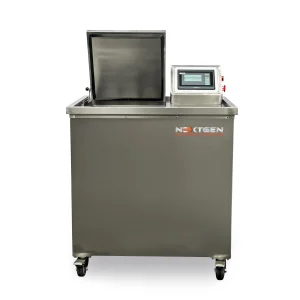
- Laboratory laundering tester (launderometer-style system): For repeatable temperature control and agitation during the wash/bleach exposure.
- Temperature control hardware: Integrated or external heating/circulation, depending on the laundering tester design.
- Specimen holders/containers: Canisters and accessories appropriate to the laundering tester being used.
- Colour evaluation tools: Standardized visual assessment setup (controlled lighting and grey scales) and/or a spectrophotometer for instrumental colour difference reporting when required by the test program.
If you are configuring a laundering tester and need to match capacity, agitation style, and post-wash colour evaluation to your customer’s edition and reporting expectations, you can request a detailed quote for a configuration aligned to your lab workflow.
How to Read This Designation or Revision
ISO 105-C09 identifies Part C09 within the ISO 105 series (Tests for colour fastness). The “C” parts are commonly associated with colour fastness to washing and related wet treatments.
ISO 105-C09:2001 indicates the publication year (2001) for the cited edition.
Amendments and corrigenda: ISO listings show an amendment (e.g., “/Amd 1:2003”) and may also list corrigenda (e.g., “/Cor 1:2002”). When a purchase order, lab report, or brand manual cites ISO 105-C09 with amendment language, setup details and report wording should follow the exact cited version.
Revision sensitivity: This method relies on defined reference chemistry (detergent/bleach activator system). Always align reagents and conditions to the exact edition specified in your customer or product specification.
Related Standards, Methods, or Frameworks
ISO 105-C09 is one of several ISO 105 methods used to evaluate colour fastness under different exposures. Many textile test plans combine multiple ISO 105 parts to cover laundering, rubbing, perspiration, light exposure, and (when required) staining onto adjacent fabrics.
When you are building a complete compliance matrix for a brand or end-use, method selection should be driven by the care label, expected bleach use, fibre content, and the specific appearance risks that matter for the product category.
Talk to us about ISO 105-C09 test setup and equipment
If you are updating a lab to run ISO 105-C09 routinely—or you need to match an existing customer method that cites a specific edition—talk with our team about laundering tester configuration, throughput, and colour evaluation options for your workflow.