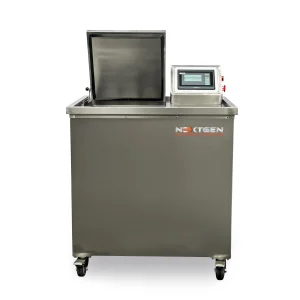
ISO 105-C10 is a textile colorfastness test method used to evaluate how a dyed or printed textile resists color change and how much it stains adjacent fabrics during controlled washing with soap, or with soap plus sodium carbonate (“soap and soda”).
It is commonly specified for apparel, home textiles, and other fabric-based products where washing durability is a key quality requirement. If you need help aligning your product requirement to the correct wash severity and reporting approach, talk with our team.
Textiles — Tests for colour fastness — Part C10: Colour fastness to washing with soap or soap and soda
ISO 105-C10 is part of the ISO 105 colorfastness series for textiles. This part focuses specifically on washing with defined soap-based solutions, using test conditions that range from mild to more severe wash exposures.
The standard is intended to isolate the effect of washing on colorfastness rather than reproduce every aspect of a complete consumer laundering process.
Quick definition
Standard type: Test method (colorfastness to washing).
What it measures: (1) change in colour of the specimen after washing and (2) staining of adjacent fabric(s) washed in contact with the specimen.
Typical outputs: Grey scale ratings and/or instrumental assessments, depending on the lab’s reporting practice and the purchasing specification.
What this standard covers
ISO 105-C10 specifies multiple washing test conditions using soap, or soap combined with sodium carbonate, under controlled time and temperature with mechanical agitation. A textile specimen is tested in contact with one or more specified adjacent fabrics so both colour change and staining performance can be evaluated.
Because the method is standardized, it is commonly used for comparing lots, benchmarking dyeing/printing processes, verifying supplier conformance, and supporting customer or regulatory requirements that cite ISO 105 colorfastness methods.
Why this standard matters in testing
Wash fastness failures can show up as visible shade loss, dulling, or noticeable staining onto other materials in a mixed wash. ISO 105-C10 provides a repeatable lab approach to screen wash durability and to document compliance using widely recognized rating scales.
For QA/QC teams, it supports incoming inspection and production release decisions. For R&D teams, it is a practical tool for comparing dye classes, fixation methods, and aftertreatments intended to improve wash performance.
Common materials, product types, or applications covered
The method is written for textiles of all kinds and in all forms, so it is commonly applied across:
-
Woven and knitted fabrics (piece goods)
-
Garments and cut parts (when a customer specification allows representative sampling)
-
Home textiles such as sheets, towels, upholstery fabrics, and decorative textiles
-
Textiles with dyes/prints where staining risk to other materials is a key concern
Common test or verification workflow
Most ISO 105-C10 lab workflows follow a consistent pattern:
-
Prepare a specimen and assemble it in contact with specified adjacent fabric(s) (often a multifibre adjacent fabric, or selected single-fibre adjacent fabrics).
-
Expose the assembly to a defined soap solution (or soap + sodium carbonate solution) using a controlled, mechanically agitated washing device at specified temperature and time.
-
Rinse and dry the specimen/adjacent fabrics under controlled conditions.
-
Grade colour change on the specimen and staining on the adjacent fabric(s), typically using grey scales and/or instrumental methods where required.
Practical note: Results are sensitive to the exact test condition (mild vs more severe), the adjacent fabric selection, and how grading is performed, so purchasing specs often define these details in addition to citing ISO 105-C10.
Equipment commonly used for this standard
ISO 105-C10 is equipment-oriented in the sense that it relies on a controlled, mechanically agitated washing device and standardized assessment tools for grading.
Common equipment: A mechanical laundering device (laboratory “launderometer” style) with temperature-controlled bath and sealed test containers, stainless steel balls (as specified by the method), precision balance for solution preparation, and drying provisions suitable for standardized textile conditioning.
Common evaluation tools: Grey scales for assessing change in colour and staining, and optionally instrumental color measurement equipment when instrumental grading is required by the test plan.
If you are selecting a launderometer configuration, container set, or evaluation approach for your cited requirement, you can request pricing for an equipment package matched to your throughput and reporting needs.
How to read this designation or revision
ISO 105 identifies the overall series for textile colour fastness testing.
C10 identifies Part C10, which addresses colour fastness to washing with soap or soap and soda.
:2006 indicates the publication year for the cited edition. Many customer specifications call out the edition year explicitly, so equipment setup, consumables, and reporting should follow the exact edition referenced in your purchase order or internal test plan.
Related standards, methods, or frameworks
ISO 105-C10 is commonly used alongside other parts of ISO 105 that define general principles, assessment scales, adjacent fabrics, and optional instrumental evaluation methods.
-
ISO 105-A01 (general principles of testing)
-
ISO 105-A02 (grey scale for assessing change in colour)
-
ISO 105-A03 (grey scale for assessing staining)
-
ISO 105-A04 / ISO 105-A05 (instrumental assessment options)
-
ISO 105-F series, including ISO 105-F10 (standard adjacent fabrics, including multifibre adjacent fabric)
Get help selecting a setup for ISO 105-C10
For wash fastness testing, the right configuration depends on the cited ISO 105-C10 condition, your adjacent-fabric approach, sample throughput, and whether you need visual grey scale grading, instrumental grading, or both. To compare options for your lab, contact our team.