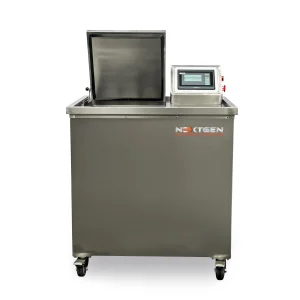
ISO 105-D01 is an ISO colour fastness test method used to evaluate how well a textile’s colour resists drycleaning, typically using perchloroethylene (perc) as the solvent.
If you need help matching this method to your fabric type, substrate form, or the exact edition cited on a customer spec, talk with our team about the right testing setup and reporting approach.
ISO 105-D01:2010 Textiles — Tests for colour fastness — Part D01: Colour fastness to drycleaning using perchloroethylene solvent
ISO 105-D01 sits within the ISO 105 colour fastness series and focuses specifically on colour performance after exposure to a drycleaning process using solvent agitation.
This method is commonly used in textile product qualification and QA/QC to screen for unacceptable colour change (and, where required by the full method, colour transfer to adjacent materials) after drycleaning exposure.
Quick Definition
ISO 105-D01 is a standardized drycleaning colour fastness test where a textile specimen is exposed to a drycleaning solvent process (commonly perchloroethylene) and then evaluated for colour change using controlled visual assessment tools.
What This Standard Covers
This standard specifies a method to determine the resistance of the colour of textiles of all kinds and in all forms to drycleaning using perchloroethylene solvent.
It is limited to colour fastness to drycleaning only and is not intended to represent the full set of commercial drycleaning operations (such as spot removal or steam pressing). It also calls for assessment in a dry state using solvent alone (i.e., without water in the test container), because absorbed water and solvent/water/detergent combinations can change colour fastness behaviour for some materials.
Why This Standard Matters in Testing
Drycleaning can expose dyes, prints, and finishes to solvent action and mechanical agitation that may cause visible shade change, surface effects, or customer complaints in service.
ISO 105-D01 provides a consistent, repeatable way to compare colour stability across lots, suppliers, dye recipes, and constructions—especially when customer requirements or care-label claims reference drycleaning performance.
Common Materials, Product Types, or Applications Covered
This method is used across a wide range of textile forms (fabric, yarn, and finished articles) where drycleaning resistance is relevant.
Common examples: Apparel and uniform fabrics, suiting materials, outerwear textiles, linings, and other dyed or printed textiles that may be drycleaned in service.
Common Test or Verification Workflow
In practice, labs use ISO 105-D01 as a controlled exposure-and-evaluation workflow rather than a “pass/fail” test by itself.
Typical workflow: Condition and prepare specimens (often with adjacent material as required by the full method) → run solvent exposure with defined agitation → remove and dry the specimen → grade colour change (and any required staining/transfer evaluations) using standardized visual assessment tools and lighting → report grades against the buyer’s acceptance criteria.
Important limitation: This method evaluates drycleaning colour fastness under defined solvent-only conditions; it does not cover spot cleaning steps or other supplementary operations that may occur in commercial practice.
Equipment Commonly Used for This Standard
ISO 105-D01 typically points to equipment that can safely and repeatably run a solvent-based agitation cycle and support controlled visual grading afterward.
Common equipment: Perchloroethylene-compatible sealed test containers and a mechanical agitation unit (drycleaning fastness tester) or equivalent apparatus used for solvent colour fastness cycles; solvent-rated extraction (squeezing or centrifuging) where required; controlled hot-air drying; and a standardized viewing setup for colour grading (light booth plus grey scales or equivalent rating tools specified by the applicable ISO colour assessment references).
If you’re specifying a drycleaning colour fastness tester, container set, or solvent-rated accessories for ISO 105-D01 work, you can request a detailed quote based on your sample throughput and reporting needs.
How to Read This Designation or Revision
ISO 105 identifies the broader colour fastness test series for textiles, and D01 identifies Part D01, the drycleaning colour fastness method.
The year in the citation (for example, ISO 105-D01:2010) matters because solvent conditions, handling steps, and reporting expectations can differ by edition and by how a brand or customer specification cites the method.
Related Standards, Methods, or Frameworks when useful
ISO 105-D01 is one part of a larger colour fastness framework. Depending on the end-use and care process, textile programs may also include colour fastness methods for washing, rubbing/crocking, perspiration, water, and light exposure.
When a buyer asks for “drycleaning suitability,” additional evaluations beyond ISO 105-D01 may be needed to represent full commercial processing conditions (for example, spot cleaning or steam pressing effects).
Talk to us about ISO 105-D01 testing equipment
If you’re building out ISO 105-D01 capability—especially for perchloroethylene-compatible testing and controlled colour grading—contact our team to align the apparatus, safety considerations, and reporting workflow to the exact requirement you’ve been given.