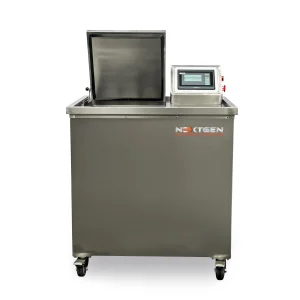
ISO 105-E12 is an ISO colour fastness test method for evaluating how well dyed or printed wool and wool-blend textiles resist colour change and staining during alkaline milling conditions.
It is commonly used when a product specification, mill process, or customer requirement needs evidence that colour will remain acceptable after milling or similar wet mechanical finishing. If you need help determining whether the severe or mild procedure is appropriate for your material, talk with our team.
ISO 105-E12 — Textiles — Tests for colour fastness — Part E12: Colour fastness to milling: Alkaline milling
ISO 105-E12 describes a laboratory procedure intended to simulate alkaline milling action on wool and part-wool textiles using defined soap-based solutions, then assess the resulting colour change and any staining of adjacent fabrics.
This standard is part of the ISO 105 series used globally for colour fastness evaluation and reporting.
Quick Definition
ISO 105-E12 measures the resistance of colour on wool or wool-containing textiles to the combined effects of mechanical milling and wet alkaline (or soap-only) treatment, with results evaluated by comparing colour change and staining to standardized rating scales.
What This Standard Covers
This method focuses on alkaline milling exposure conditions used in wool finishing. It includes a “severe” alkaline option (soap plus sodium carbonate) and a “mild” option (soap only) intended for lighter or medium-weight wool apparel fabrics.
The outcome is a set of fastness ratings for (1) change in colour of the tested specimen and (2) staining of adjacent fabric(s) placed in contact with the specimen during the milling exposure.
Why This Standard Matters in Testing
Alkaline milling can drive noticeable shade change and/or colour transfer, especially on wool systems and wool blends. Using ISO 105-E12 helps labs and manufacturers compare dye systems, finishing routes, and supplier lots under a controlled, repeatable exposure.
For QA/QC programs, the ratings from this test are often used as pass/fail evidence against buyer requirements and internal colour fastness specifications.
Common Materials, Product Types, or Applications Covered
ISO 105-E12 is primarily associated with wool and wool-containing materials that may be exposed to milling or milling-like wet mechanical processing.
Common examples: Wool woven apparel fabrics, wool suiting, wool-blend fabrics, and other textiles where milling/finishing steps (or equivalent stress) are part of manufacturing or performance requirements.
Common Test or Verification Workflow
Most programs using ISO 105-E12 follow a workflow like the one below, with exact conditions and evaluation rules controlled by the cited edition of the standard.
- Prepare a composite specimen by placing the test textile in contact with specified adjacent fabric(s).
- Expose the composite to milling action in a closed container with a defined soap-based solution (severe alkaline or mild).
- Rinse and dry the specimen set as specified.
- Grade colour change of the specimen and staining on the adjacent fabric(s) using standardized grey-scale ratings.
- Report the ratings, test option used (severe vs mild), and any required specimen details defined by the purchasing specification.
Equipment Commonly Used for This Standard
ISO 105-E12 is equipment-oriented around a controlled, repeatable wet mechanical milling exposure and standardized visual assessment of results.
Common equipment families: Rotary milling/colour fastness testing jars or container-based agitation systems (with appropriate media), temperature-controlled water bath or heating control (as required by the method), laboratory balance and volumetric glassware for solution preparation, controlled drying capability, and a standardized light cabinet or viewing setup for grey-scale grading.
Common accessories and consumables: Steel ball media (as applicable to the apparatus), specified soap and sodium carbonate reagents for the severe method, adjacent fabric(s), and grey scales for colour change and staining.
How to Read This Designation or Revision
ISO 105 identifies the overall family for textile colour fastness testing.
E12 identifies Part E12, which addresses colour fastness to milling (alkaline milling conditions).
Year (example: 2010) indicates the publication year of the cited edition. Test conditions and reporting expectations can depend on the exact edition referenced in a customer specification, so it is good practice to align your lab setup to the same cited year.
Related Standards, Methods, or Frameworks when useful
ISO 105-E12 is frequently used alongside other ISO 105 colour fastness methods selected to match the end-use risks for a textile (for example, laundering, water, perspiration, rubbing, or light exposure). The right companion tests depend on the product category and the buyer’s requirement.
When comparing results across suppliers or labs, ensure adjacent fabric selection, rating approach, and cited ISO 105 method editions are aligned so ratings remain comparable.
Get help selecting a compliant ISO 105-E12 test setup
If you are equipping a lab for alkaline milling colour fastness work and need help matching an apparatus configuration, jars/media, and evaluation tools to your cited ISO 105-E12 edition, you can request a detailed quote for an equipment package aligned to your workflow.