ISO 1184:1983 is a legacy ISO test method for determining tensile properties of plastic films and thin plastic sheeting under defined conditioning and test conditions.
Although it has been withdrawn and technically superseded by ISO 527-3, it may still appear on older drawings, purchase specifications, and internal QA documents. If you need help aligning an older ISO 1184 callout to a current test setup or report format, talk with our team.
ISO 1184:1983 — Plastics — Determination of tensile properties of films
ISO 1184:1983 describes a tensile-testing approach intended for plastic film or plastic sheeting below 1 mm thickness, using standardized test specimens and defined environmental conditioning and test conditions.
This standard is formally withdrawn. Many labs encounter it when supporting long-lived product lines (packaging, barrier films, liners, protective films) where legacy documentation still cites ISO 1184 instead of newer tensile standards.
Quick definition
Standard type: Test method (tensile properties for thin plastic film/sheeting).
Status: Withdrawn; a newer ISO document is available (commonly referenced as ISO 527-3).
What you get: Tensile strength / stress–strain behavior metrics typically used for quality control, acceptance decisions, and material comparison for films.
What This Standard Covers
ISO 1184 focuses on tensile properties for plastic films and thin sheeting, emphasizing controlled pretreatment/conditioning, temperature and humidity, and a defined testing speed appropriate to the material.
In practical terms, it is used to pull a thin film specimen in tension and evaluate tensile behavior up to yield and/or break (as applicable), producing values used in specifications, supplier qualification, and routine production checks.
Why This Standard Matters in Testing
Film products are sensitive to strain rate, specimen preparation, and environmental conditions. ISO 1184 is written to control these variables so results can be used for internal comparisons, customer requirements, and acceptance or rejection against a specification.
When ISO 1184 is the cited requirement, matching the intended conditioning and tensile-test setup matters as much as the test machine itself—especially for thin, extensible, or highly oriented films.
Common Materials, Product Types, or Applications Covered
ISO 1184 is most commonly associated with thin plastic films and plastic sheeting used where tensile strength and elongation are key performance checks.
Common examples: Packaging films, barrier films, protective films, liners, and general thin-gauge polymer sheets where tensile properties are specified.
Common Test or Verification Workflow
Most ISO 1184 workflows follow a straightforward QA/QC pattern: condition specimens, prepare standardized film specimens, run tensile pulls at the required test speed and environment, then report tensile property results in the format required by the calling document.
Typical outputs: Stress–strain data and tensile properties used for certificate-of-analysis reporting, supplier comparison, and lot release decisions.
Equipment Commonly Used for This Standard
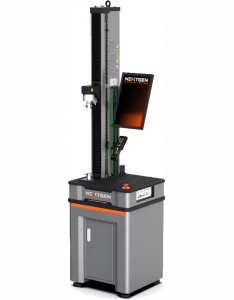
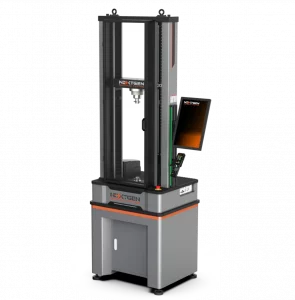
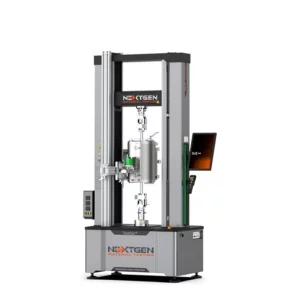
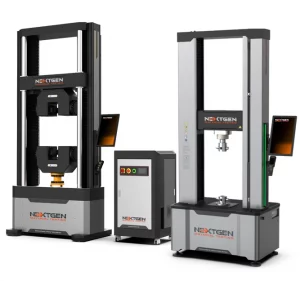
ISO 1184 testing is typically performed on a universal testing machine configured for thin-film tensile testing, with grips and measurement practices selected to prevent specimen slippage and to capture elongation accurately.
Common equipment: Universal testing machine (appropriate force range/load cell), film or pneumatic grips designed for thin materials, specimen cutting tools/dies, and elongation measurement via an extensometer or validated gauge-mark/extension measurement approach where appropriate.
If you are selecting grips, load range, and elongation measurement options for thin films, you can request a detailed quote for a configuration matched to your material and throughput.
How to Read This Designation or Revision
Typical citation: ISO 1184:1983.
Status note: ISO 1184:1983 is withdrawn. When it appears on a requirement, confirm whether the customer allows use of the newer replacement standard (commonly ISO 527-3) or whether results must be reported explicitly to the legacy method.
Revision sensitivity: Film tensile results can shift with changes in conditioning, strain rate, and measurement approach, so the exact cited edition and any customer-specific deviations should be clarified before testing.
Related Standards, Methods, or Frameworks
ISO 1184 references supporting practices for conditioning and film thickness determination, which often matter for consistent reporting and for converting force to stress.
Often used alongside: ISO 291 (standard atmospheres for conditioning and testing plastics), ISO 4591 (gravimetric thickness for film/sheeting), and ISO 4593 (mechanical scanning thickness for film/sheeting).
Get help matching ISO 1184 to your film tensile setup
If a drawing or customer document still calls out ISO 1184, we can help you select grips, force capacity, and elongation measurement options—and align your test workflow to the cited requirement. To discuss equipment and pricing for film tensile testing, request pricing.