ISO 13938-1 specifies a hydraulic bursting test method used to measure the bursting strength and bursting distension of textile fabrics under multidirectional stress.
It is commonly used for knitted, woven, nonwoven, and laminated fabrics where “ball burst” performance is a key durability or performance requirement. If you need help matching the correct burst method (hydraulic vs pneumatic) to a customer or internal specification, talk with our team.
ISO 13938-1:2019 — Textiles — Bursting properties of fabrics — Part 1: Hydraulic method for determination of bursting strength and bursting distension
This standard describes a laboratory method where hydraulic pressure is applied to a clamped fabric specimen until rupture, and the result is reported as bursting strength along with the distension at burst.
ISO 13938-1 is typically referenced when a test program calls for a liquid-pressure (hydraulic) burst tester rather than an air-pressure (pneumatic) burst tester.
Quick Definition
Standard type: Test method (bursting properties of textile fabrics).
Primary outputs: Bursting strength and bursting distension measured during hydraulic pressurization to failure.
Typical decision it supports: Screening fabrics for service performance, comparing constructions/finishes, and checking conformance to product requirements that specify hydraulic bursting.
What This Standard Covers
ISO 13938-1 covers the use of hydraulic pressure, applied at a constant pumping rate, to load a fabric specimen in a way that produces a multidirectional stress condition until the specimen bursts.
The method is commonly used for specimens tested in a conditioned state, and it may also be used for wet testing when a requirement calls for performance after wetting.
Why This Standard Matters in Testing
Bursting strength testing is often preferred over strip tensile methods for materials that do not have a clear “warp/weft” failure mode or that are likely to fail by local rupture under pressure (for example, many knits and nonwovens).
ISO 13938-1 is also a practical choice when higher bursting pressures are expected and a hydraulic system is preferred for the pressure capability and stability of pressurization.
Common Materials, Product Types, or Applications Covered
This method is widely used across fabric categories where bursting performance is specified or where multidirectional stress better reflects end use.
Common materials and constructions: Knitted fabrics, woven fabrics, nonwovens, laminated fabrics, and other fabric constructions where bursting behavior is an important durability indicator.
Common application areas: Apparel and performance textiles, technical textiles, and fabric development/benchmarking where bursting strength and distension at burst are tracked as quality attributes.
Common Test or Verification Workflow
ISO 13938-1 is typically used as part of incoming inspection, routine production QC, product qualification, or R&D comparisons between fabric constructions and finishing processes.
Common workflow steps (high level): Condition (or wet) specimens as required by the test plan, mount and clamp the specimen, apply hydraulic pressure at the specified pumping rate until rupture, and record bursting strength and bursting distension for reporting.
Equipment Commonly Used for This Standard
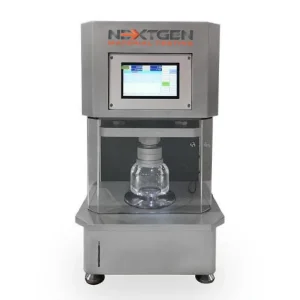
ISO 13938-1 generally points to a hydraulic bursting strength tester capable of applying liquid pressure at a controlled (constant) pumping rate and measuring pressure and distension through burst.
Common equipment: Hydraulic burst tester (fabric bursting strength and distension), appropriate specimen clamping components, and instrumentation/software for capturing peak pressure and distension at burst.
Quoting considerations: The most important purchasing decision is matching the required burst method (hydraulic for ISO 13938-1) and ensuring the instrument’s pressure range and reporting outputs fit the performance levels in your product specification. If you are selecting a hydraulic burst tester configuration for a lab or production line, you can request a detailed quote for a setup aligned to your throughput and reporting needs.
How to Read This Designation or Revision
ISO 13938-1 identifies Part 1 of the ISO 13938 series for bursting properties of fabrics, and it specifies the hydraulic method.
ISO 13938-1:2019 indicates the 2019 published edition of this part. When a customer or internal document cites ISO 13938-1, the exact year matters because equipment setup, reporting, and acceptance criteria may be tied to a specific edition.
Related Standards, Methods, or Frameworks
ISO 13938-1 is commonly paired with the companion method that uses pneumatic pressure when a program allows either approach or when a specification explicitly calls for air pressure testing.
Related standard: ISO 13938-2 (pneumatic method for bursting properties of fabrics).
Get help selecting burst test equipment for ISO 13938-1
If you need help interpreting a purchase specification that cites ISO 13938-1 (including edition year, pressure range, or whether wet testing is expected), contact our team and we will help you align the method, configuration, and reporting outputs to your lab workflow.