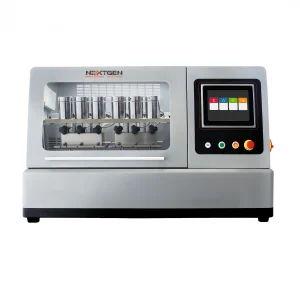
ISO 2507 is an ISO test method for determining the Vicat softening temperature (VST) of thermoplastics pipes and fittings using a penetration approach under a specified load and heating rate.
It is commonly used to compare heat-softening behavior for pipe and fitting materials during product qualification, incoming inspection, and routine QA/QC checks. If you need help aligning the edition and conditions to a customer or project requirement, talk with our team.
Thermoplastics pipes and fittings — Vicat softening temperature
ISO 2507 defines a specific Vicat softening temperature test approach for specimens taken from thermoplastics pipes and fittings. The result is reported as a temperature at which a defined penetration criterion is reached under controlled heating.
Because pipe-wall geometry, specimen extraction, and material type can influence results, ISO 2507 is typically used alongside the purchasing specification or product standard that calls up a particular VST requirement and acceptance limit.
Quick definition
What it is: A Vicat softening temperature (VST) determination method tailored to thermoplastics pipes and fittings.
What it measures: The temperature at which a standard indenter reaches a defined penetration into the test specimen while heating at a controlled rate under a specified load.
Typical use: Material comparison and heat-softening verification for plastic piping components.
What This Standard Covers
ISO 2507 specifies a method to determine VST for thermoplastics pipes and fittings, including specimen preparation from pipe or fitting walls and the test conditions used to run the penetration/heating sequence.
The method is aligned with a Vicat approach used for thermoplastics more broadly (through ISO 306), with defined parameters (such as force and heating rate) selected for this pipe-and-fitting application.
Why This Standard Matters in Testing
VST is often used as a practical indicator of how a thermoplastics pipe or fitting compound responds as temperature rises under load. It supports comparative evaluation between formulations, suppliers, or production lots when a consistent method is needed.
In purchasing and qualification workflows, ISO 2507 testing is commonly used to support compliance evidence when a contract or product specification cites a minimum VST value for a pipe or fitting material.
Common Materials, Product Types, or Applications Covered
ISO 2507 is written with common piping thermoplastics in mind, including vinyl chloride-based and acrylonitrile-based pipe and fitting materials.
Common product forms: Extruded thermoplastics pipes and molded (or fabricated) thermoplastics fittings where specimens can be taken from the component wall.
Common material examples: PVC-U, PVC-C, PVC-HI, ABS, and ASA pipes and fittings.
Common Test or Verification Workflow
ISO 2507 typically fits into a verification flow where the lab needs a repeatable, standardized softening-temperature result for pipe or fitting material.
Common workflow:
- Extract and prepare test pieces from the wall of a pipe or fitting (with dimensions and preparation consistent with the standard’s requirements).
- Mount the specimen in a Vicat apparatus and apply the specified load to the indenter.
- Heat at the required rate and monitor penetration.
- Record the temperature at the defined penetration criterion and report the VST result along with the test conditions.
Practical note: If a customer specification cites ISO 2507, confirm whether they also specify a particular material category and any additional conditioning or reporting expectations beyond the base method.
Equipment Commonly Used for This Standard
ISO 2507 generally points to a Vicat softening temperature setup designed to apply a controlled force through an indenter while the specimen is heated at a controlled rate and penetration is measured.
Common equipment: Vicat softening temperature apparatus (Vicat frame with indenter and displacement measurement), temperature-controlled heating bath or chamber, calibrated temperature sensing, and the required loading system.
Common lab accessories: Specimen cutting and preparation tools suitable for pipe/fitting wall sections, thickness/dimension measurement tools, and fixtures/supports appropriate for the specimen geometry.
If you are selecting a Vicat system or confirming whether an existing setup can run ISO 2507 at the required conditions, you can request a detailed quote for an equipment configuration matched to your throughput and reporting needs.
How to Read This Designation or Revision
Current designation: ISO 2507:2026.
Revision context: ISO 2507:2026 is a consolidated standard and replaces earlier multi-part versions (previously published as ISO 2507-1, ISO 2507-2, and ISO 2507-3).
Best practice for purchasing and compliance: Always match the cited edition year on your customer, regulatory, or product-specification requirement, since test conditions and reporting expectations can be edition-sensitive.
Related Standards, Methods, or Frameworks
ISO 2507 is closely associated with ISO 306 (Vicat softening temperature of thermoplastics), which defines the general Vicat approach that ISO 2507 builds upon for pipe and fitting applications.
When comparing results across materials or suppliers, confirm that the same Vicat method conditions and specimen preparation approach were used, as these details can affect comparability.
Talk with a testing specialist
If you are working from a pipe or fitting specification that calls up ISO 2507 and you want to align equipment capability, sample geometry constraints, and reporting to that requirement, contact our team for application guidance.