ISO 4545-2 is an International Standard for verifying and calibrating Knoop hardness testing machines used on metallic materials. It focuses on machine performance checks that support reliable Knoop hardness results when testing is performed under ISO 4545-1.
If you need help matching your current microhardness tester, indenter, optics, or verification approach to the exact edition cited in your customer or quality documents, talk with our team about your application and compliance needs.
ISO 4545-2: Metallic materials — Knoop hardness test — Part 2: Verification and calibration of testing machines
ISO 4545-2 is part of the ISO 4545 Knoop hardness series for metallic materials. While ISO 4545-1 defines how to perform the Knoop indentation test and report hardness values, Part 2 addresses how the testing machine is checked so results are dependable and comparable.
This document is typically used by calibration providers, internal metrology teams, and labs that must demonstrate control of hardness equipment under customer requirements or quality systems.
Quick definition
ISO 4545-2 describes verification and calibration methods for Knoop hardness testing machines, including checks of key machine subsystems and overall performance using reference blocks.
Document type: Verification / calibration standard for test equipment (machine performance control), not a material test method.
What This Standard Covers
ISO 4545-2 addresses the performance of a Knoop hardness testing system as a measurement instrument. It includes approaches commonly grouped into direct checks of machine functions and indirect checks of the full system using reference artifacts.
Common coverage areas include: Verification/calibration of the testing machine, the Knoop indenter system, the diagonal length measuring system (optics and measurement), and an indirect verification method using reference blocks to check overall machine performance.
Important boundary: If a single machine is used for multiple indentation hardness methods, each method is checked independently for that method’s conditions.
Why This Standard Matters in Testing
Knoop hardness measurements depend on two fundamentals: the applied test force and accurate measurement of the indentation diagonals. ISO 4545-2 matters because it ties these fundamentals to a defined verification and calibration workflow for the instrument, helping reduce disputes between labs and supporting traceable, repeatable results.
For organizations running microhardness testing in production support, failure analysis, R&D, or coating evaluation, the standard is often referenced as evidence that the tester and measurement chain are under control—not just that a test was performed.
Common Materials, Product Types, or Applications Covered
ISO 4545-2 is used wherever Knoop hardness testing is used on metallic materials and the tester must be confirmed or calibrated. Common examples include microhardness mapping, thin sections, surface-hardened layers, small parts, and metallic coatings (when Knoop is selected for the geometry or resolution needed).
This standard is equipment-focused, so it applies across many metals and alloys; the key factor is that the lab or manufacturer is using the Knoop method and needs controlled, auditable machine performance.
Common Test or Verification Workflow
Most organizations use ISO 4545-2 as part of an ongoing instrument control plan rather than as a one-time activity.
Common workflow: Define the Knoop method range and configurations used in your lab → perform direct checks (machine functions, indenter system, and diagonal measurement system) at defined intervals or after service → perform indirect verification using Knoop reference blocks to assess overall system performance → document results and any corrective actions (adjustment, repair, re-verification) before releasing the tester for production or customer work.
Practical caution: Your verification plan should match the specific loads, optics/magnification, and software measurement approach you actually use, since those are the conditions most likely to affect pass/fail outcomes and measurement uncertainty.
Equipment Commonly Used for This Standard
ISO 4545-2 typically points buyers and lab managers toward an equipment “system” rather than a single instrument, because compliance depends on force application, indenter condition, and measurement capability working together.
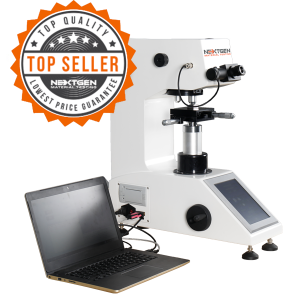
Common equipment: Knoop microhardness tester (deadweight or closed-loop), Knoop indenter, optical measurement system (microscope/camera), diagonal measurement software, and Knoop reference blocks used for indirect verification.
What to specify when sourcing equipment or service: The Knoop force range you use, the indentation size range you measure, the measurement method (manual optics vs. automated imaging), and whether you need support for direct verification, indirect verification, or both.
If you are configuring a new Knoop microhardness system or planning upgrades for optics, software, or verification blocks, you can request a detailed quote with the configuration matched to your verification and calibration workflow.
How to Read This Designation or Revision
ISO 4545-2 identifies Part 2 of the ISO 4545 Knoop hardness series.
ISO 4545-2:2017 includes the publication year (edition identifier). Purchase specifications, customer prints, and audit trails may cite a specific year, so equipment verification intervals, acceptance criteria, and documentation should be aligned to the exact edition referenced by your quality requirements.
Related Standards, Methods, or Frameworks
ISO 4545-2 is commonly used alongside other documents in the same series to connect machine control, reference artifacts, and the actual hardness test method.
Common related standards: ISO 4545-1 (Knoop hardness test method) and ISO 4545-3 (calibration of reference blocks used for indirect verification of Knoop hardness testing machines).
Talk with us about ISO 4545-2-ready microhardness setups
Whether you need a new Knoop microhardness tester, support equipment for diagonal measurement, or a verification approach that fits your cited edition and audit expectations, contact our team to discuss your lab workflow and documentation needs.