ISO 527 is a multi-part ISO standard series used for determining tensile properties of plastics and plastic composites. It is widely referenced for generating comparable tensile strength, tensile modulus, and elongation-type results for material qualification, incoming inspection, and R&D benchmarking.
Because ISO 527 is published in separate parts (for different material types and specimen forms), the exact test setup and reporting expectations depend on the cited part number (for example, ISO 527-2 for moulding/extrusion plastics or ISO 527-3 for thin films). If you need help matching your material and specimen type to the correct part, contact our team.
ISO 527 (series) — Plastics — Determination of tensile properties
ISO 527 is best understood as a framework for tensile testing of plastics, where Part 1 defines the general principles and additional parts define the detailed conditions for specific material categories (such as moulding/extrusion plastics, films, and fibre-reinforced composites).
In procurement documents, datasheets, and QA plans, ISO 527 is commonly cited to define how tensile results must be generated so data is consistent across suppliers, labs, and development programs.
Quick Definition
ISO 527 is a multipart tensile-testing standard series for plastics and plastic composites. It defines how tensile behaviour is measured and how tensile properties are determined under specified conditions, with different parts covering different material forms and reinforcement types.
What This Standard Covers
Across the ISO 527 series, the intent is to standardize tensile testing so results are comparable. Depending on the cited part, ISO 527 can address:
- General tensile test principles (test approach, general definitions, and overall framework)
- Test conditions and specimen configurations for moulding and extrusion plastics
- Test conditions for plastic films and thin sheets
- Test conditions for fibre-reinforced plastic composites (including different reinforcement architectures)
ISO 527 is primarily a test-method series. It is used to generate tensile stress–strain data and report tensile properties under defined conditions rather than to set pass/fail limits by itself.
Why This Standard Matters in Testing
Tensile properties are often the first mechanical numbers used to compare plastic grades, verify batch-to-batch consistency, or qualify a new compound, supplier, or process window. ISO 527 helps ensure that your tensile results are not only measured correctly, but also measured in a way that another lab can reproduce.
For equipment selection, ISO 527 also drives decisions about force capacity, grip style, extensometry, and (in some cases) environmental conditioning during test.
Common Materials, Product Types, or Applications Covered
The ISO 527 series is commonly used for plastics and plastic composites, with the specific scope determined by the part referenced. Typical use cases include:
- Rigid and semi-rigid moulded or extruded plastics used in components and housings
- Plastic films and thin sheets used in packaging and flexible products
- Fibre-reinforced plastic composites used in structural or semi-structural applications
If your material is reinforced, highly anisotropic, very thin, or otherwise specialized, choosing the correct ISO 527 part is important because specimen type and strain measurement expectations can change.
Common Test or Verification Workflow
ISO 527 testing is typically embedded in a straightforward tensile workflow, with the specific parameters governed by the cited part and the lab’s quality plan.
Common workflows: Material qualification (R&D), supplier comparison, incoming inspection, process change validation, and periodic QC trending.
Typical outputs: A tensile stress–strain curve plus reported tensile properties such as tensile strength and tensile modulus, with strain-based values dependent on the strain measurement method used.
Practical caution: ISO 527 results can shift noticeably with differences in specimen geometry, thickness, strain measurement method (crosshead vs. extensometer), and test conditions. For buyer-to-buyer comparability, match the cited ISO 527 part and the lab’s test conditions—not just the headline “ISO 527” reference.
Equipment Commonly Used for This Standard
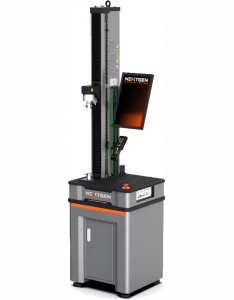
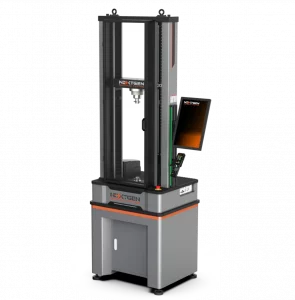
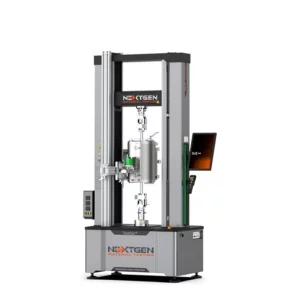
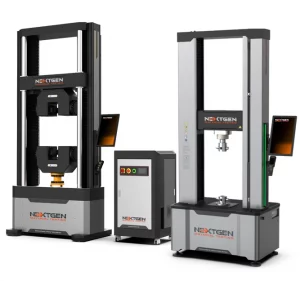
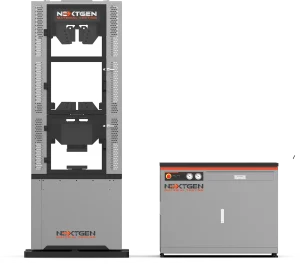
ISO 527 tensile testing is typically performed on a universal testing machine (UTM) configured for polymer specimens and equipped for appropriate strain measurement.
Common equipment: Universal testing machine (electromechanical is common for plastics), tensile grips matched to specimen form (wedge/action grips, pneumatic grips, capstan/wrap grips for films), load cell sized for expected forces, and an extensometer or strain measurement system appropriate to the material and part cited.
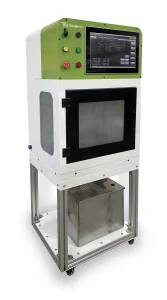
Often-required accessories: Specimen measurement tools (thickness/width measurement), alignment aids, and (when required by the test plan) conditioning or temperature-control equipment such as an environmental chamber.
If you are specifying a system for ISO 527 work and want to confirm load capacity, grip type, and extensometry options for your specimen set, you can request a detailed quote for a configuration matched to your plastics or composites workflow.
How to Read This Designation or Revision
ISO 527 is normally cited with a part number and a publication year. In purchasing specs and test reports, the part number identifies the material category or specimen form covered, and the year identifies the edition being followed.
| Example designation | What it indicates |
|---|---|
| ISO 527-1:2019 | General principles for determining tensile properties (framework used by the other parts) |
| ISO 527-2:2025 | Test conditions for moulding and extrusion plastics |
| ISO 527-3:2018 | Test conditions for films and sheets (thin specimens) |
| ISO 527-4:2023 | Test conditions for isotropic and orthotropic fibre-reinforced plastic composites |
| ISO 527-5:2021 | Test conditions for unidirectional fibre-reinforced plastic composites |
Revision sensitivity: Even when the test concept is the same, edition changes can affect permitted specimen types, conditioning, strain measurement expectations, and reporting. For compliance or supplier comparisons, match the exact part and year shown in the customer or product requirement.
Related Standards, Methods, or Frameworks
ISO 527 is often paired with internal material specifications or customer drawings that define acceptance criteria, minimum mechanical properties, or lot-release rules.
In global supply chains, ISO 527 is also commonly referenced alongside other tensile-testing methods for plastics (such as regional or industry standards) when cross-referencing datasheets. When comparing numbers across methods, ensure specimen type, strain measurement, and test conditions are truly comparable.
Talk to us about ISO 527 test setups
If you have an ISO 527 callout and want to align machine capacity, grips, and extensometry with your material form (moulded plastics, films, or composites), you can talk with our team about a practical configuration for your lab’s tensile workflow.