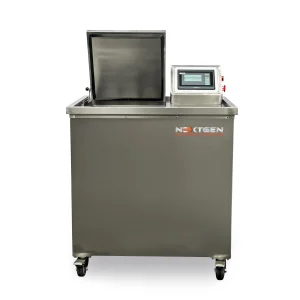
IWSTM 7, 115, 177, 193, 240, and 241 are legacy IWSTM textile-method references that are commonly cited together when specifying colour fastness to washing / laundering (and closely related wet-treatment fastness checks) for dyed or finished textiles.
Because IWSTM citations are often tied to older customer specifications and brand requirements, the most important practical step is matching the exact IWSTM method number(s) being cited to the right wash canisters, bath temperature range, agitation/rotation conditions, and rating workflow. If you need help mapping an IWSTM citation to an instrument setup, talk with our team.
IWSTM 7, 115, 177, 193, 240, 241 (legacy textile-method references)
This page covers the combined IWSTM citation “IWSTM 7/115/177/193/240/241” as it is commonly used in textile test-equipment documentation and laboratory purchasing workflows—especially for washing fastness / launderometer-style testing.
These numbers are typically used as method identifiers in specifications rather than as a single standalone document. Your lab procedure, acceptance criteria, and reporting format should follow the exact method(s) called out by your customer or internal test plan.
Quick Definition
In practical lab terms: A set of IWSTM method-number references frequently associated with evaluating how a textile’s colour changes and/or transfers (stains) after a controlled washing or wet-treatment exposure.
What you typically record: Visual ratings for colour change and staining (commonly using grey scales), plus any required observations tied to the cited procedure.
What This Standard Covers
When these IWSTM method numbers are specified, they generally point to a controlled wet-treatment exposure (often a washing or laundering simulation) followed by an appearance/colour assessment.
In many purchasing specifications, the “IWSTM 7/115/177/193/240/241” bundle is used to indicate that a washing fastness tester (launderometer/Rotawash-style system) is suitable for the required family of procedures—without restating each method’s full scope in the purchasing document.
Why This Standard Matters in Testing
Wash fastness and wet-treatment colour performance are frequent release and compliance gates for apparel and textile products. When an IWSTM method is cited, the buyer often needs evidence that the lab can reproduce a controlled exposure and apply consistent grading of colour change and staining.
From an equipment perspective, the highest-risk issues are usually configuration details (canister type/volume, rotation/agitation control, temperature capability, and compatibility with the lab’s rating workflow) rather than the base machine alone.
Common Materials, Product Types, or Applications Covered
IWSTM wash-fastness citations are most often encountered for dyed or printed textiles where colour durability in laundering (or similar wet exposure) is a functional or appearance requirement.
Common product areas: Apparel fabrics, uniforms/workwear textiles, upholstery and interior textiles, knit and woven goods, and colour-sensitive finished fabrics.
Common Test or Verification Workflow
Exact steps depend on which of the IWSTM method numbers is specified, but the workflow commonly follows a wash-exposure followed by visual evaluation.
Common workflow elements: Prepare specimen(s) and adjacent/multifiber fabric as required, load into sealed stainless-steel wash canisters with the specified liquor and any required mechanical action media, run at controlled time/temperature with defined rotation/agitation, then dry/condition and grade colour change and staining using standard rating tools.
Equipment Commonly Used for This Standard
The IWSTM 7/115/177/193/240/241 citation is most commonly tied to washing colour fastness testers (launderometer- or Rotawash-style instruments) and the supporting accessories needed to execute and rate the test consistently.
Common equipment families: Washing fastness tester with heated bath and controlled rotation, stainless-steel wash canisters/cups (matched to the cited procedure), temperature control and verification tools, timing/programmable controls, and colour assessment tools (grey scales and appropriate lighting).
If you are selecting a system based on an IWSTM callout (including cup volume, number of positions, temperature range, and control features), you can request a detailed quote for a configuration that matches your lab throughput and the methods you need to run.
How to Read This Designation or Revision
What the numbers mean: “IWSTM” is the method family identifier, and the numbers (7, 115, 177, 193, 240, 241) indicate specific method numbers within that legacy family.
Why it is listed as a group: In many equipment catalogs and procurement specs, multiple IWSTM method numbers are grouped together to describe broad method-coverage for wash-fastness equipment, rather than a single consolidated procedure.
Revision sensitivity: If your customer specification cites an edition/date or a tightly defined lab procedure, equipment setup and reporting should be aligned to that exact cited version or internal SOP.
Related Standards, Methods, or Frameworks
In practice, IWSTM washing-fastness method numbers are frequently cross-referenced in the same equipment category as other textile colour fastness to washing methods. Depending on your customer or market, you may also see requirements aligned to ISO 105-C series methods, AATCC washing colourfastness methods, and retailer/brand methods (for example, M&S and NEXT test methods) for similar wash-exposure and grading workflows.
When multiple standards are allowed, the key is ensuring the machine setup, canister format, and grading workflow match the specific method you are required to run.
Get help configuring equipment for an IWSTM wash-fastness requirement
If you have an IWSTM 7/115/177/193/240/241 callout in a customer spec and want to confirm the right washing fastness tester configuration (cup type, capacity, temperature capability, and accessories), contact our team with your cited method numbers and throughput target.