JIS L 0860 is a Japanese Industrial Standard that specifies laboratory test methods for evaluating the colour fastness of dyed textiles when subjected to dry cleaning solvents and conditions.
It is commonly used by textile mills, apparel brands, and test laboratories to screen dyed fabrics and textile components for colour change and staining risk after solvent-based cleaning. If you need help aligning your product type and cited edition to the right method and setup, talk with our team.
JIS L 0860:2020 — Test methods for colour fastness to dry cleaning
JIS L 0860 defines a controlled, repeatable way to expose dyed textiles to dry cleaning-type solvent action and then grade the resulting colour change of the specimen and colour staining on adjacent fabrics.
This standard is intended for colour fastness performance evaluation; it is not meant to represent the full dry cleaning process in a broad sense (for example, it does not cover overall cleaning effectiveness, stain removal, or finishing operations such as pressing).
Quick Definition
Document type: Test method.
What it measures: Colour change of the dyed textile and staining of adjacent fabrics after a defined dry-cleaning-type solvent treatment.
Typical outputs: Fastness grades for colour change and staining (commonly reported as grey-scale grades).
What This Standard Covers
JIS L 0860 covers test conditions designed to simulate key mechanical and chemical actions associated with solvent-based dry cleaning on dyed textiles.
Depending on the method specified in procurement documents or brand requirements, the test may involve different solvent systems (commonly perchloroethylene-type solvents and petroleum-type solvents) and defined processing parameters such as temperature, time, and mechanical action.
Why This Standard Matters in Testing
Dry cleaning can extract or mobilize dyes, pigments, and finishes, creating two practical risks: (1) visible shade change of the article itself, and (2) staining/colour transfer onto other materials cleaned with it.
JIS L 0860 is often referenced in quality assurance and supplier agreements to help reduce customer complaints, ensure colour consistency across lots, and qualify dyeing/printing/finishing processes for solvent exposure.
Common Materials, Product Types, or Applications Covered
JIS L 0860 is most commonly applied to dyed textile materials and textile products where solvent-based cleaning is expected or possible.
Common examples: Dyed woven and knitted fabrics, garment panels, uniform and workwear fabrics, linings, trims, and other textile components that may be exposed to dry cleaning during consumer care or professional maintenance.
Common Test or Verification Workflow
A typical lab workflow for JIS L 0860 focuses on preparing a composite specimen, applying the specified solvent treatment under controlled conditions, drying the specimen, and then grading the results.
- Specimen preparation: Prepare a test specimen and adjacent fabric(s) (often a multifiber adjacent fabric) as required by the cited method.
- Solvent treatment: Process the composite specimen in a sealed container with the specified dry-cleaning-type solvent system and mechanical action for the specified time and temperature.
- Post-treatment handling: Rinse/solvent removal steps and drying as required by the method.
- Assessment and reporting: Grade colour change of the specimen and staining on adjacent fabric(s), and report results with the method designation and key conditions required by the standard.
Equipment Commonly Used for This Standard
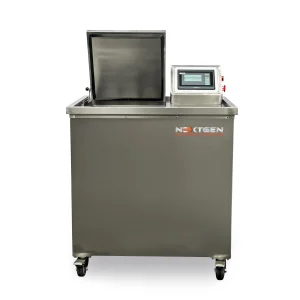
JIS L 0860 typically points to solvent-resistant, sealed test containers processed on a controlled agitation unit (often a launderometer-style tester) capable of maintaining the required temperature and cycle time.
Common equipment and accessories: Agitation unit with temperature control; sealed test containers/bottles compatible with dry-cleaning solvents; stainless-steel balls or other specified mechanical-action media; calibrated temperature measurement; drying/ventilation provisions appropriate for solvent handling; colour assessment tools such as grey scales and a controlled light booth for visual grading.
Practical quoting caution: The solvent system and method variant called out in your requirement can affect bottle materials, seal compatibility, safety features (ventilation/extraction), and lab handling procedures, so equipment configuration should be matched to the exact cited method and solvent type.
How to Read This Designation or Revision
Standard number: “JIS L 0860” is the base designation for this dry-cleaning colour fastness test method within the JIS L (textiles) series.
Year suffix: When cited as “JIS L 0860:2020”, the year after the colon indicates the year of the most recent establishment or revision of that edition (confirmations can occur later without changing the year in the designation).
Best practice: When writing purchase specifications or test plans, cite the full designation (including the year) and the required method/solvent variant so the lab setup and reporting are unambiguous.
Related Standards, Methods, or Frameworks
JIS L 0860 is technically aligned with an ISO colour fastness method for dry cleaning and is commonly used alongside general colour fastness principles and colour-change/staining assessment practices referenced within textile fastness testing programs.
Common pairing: Internal brand specifications for minimum fastness grades (colour change and staining) and method-specific reporting requirements.
Get help selecting a JIS L 0860 test setup
If you are equipping a lab for colour fastness to dry cleaning and need the right agitation system, solvent-compatible containers, and assessment accessories for your cited method, you can request a detailed quote matched to your throughput and safety requirements.