JIS L 1018.6.17 is the bursting strength test section within JIS L 1018 (test methods for knitted fabrics). It is used to characterize how a knit fabric resists rupture when pressure is applied through a flexible diaphragm until the specimen bursts.
This test is commonly specified for apparel knits, performance textiles, and other stretch or loop-structured fabrics where multi-directional strength is more representative than a straight tensile test. If you need help aligning the correct method and edition to a customer or internal spec, talk with our team.
JIS L 1018.6.17 — Bursting strength (section within JIS L 1018)
JIS L 1018 is a Japanese Industrial Standard focused on test methods for knitted fabrics. Clause 6.17 addresses bursting strength, a pressure-based strength metric widely used for knits because it loads the structure in multiple directions.
Because JIS documents are often cited by clause in purchase specifications and test reports, “JIS L 1018.6.17” is typically read as “perform bursting strength per clause 6.17 of JIS L 1018” rather than as a separate standalone publication.
Quick Definition
Bursting strength is the pressure (or related bursting force) required to rupture a fabric when pressure is applied to a clamped specimen through an expanding rubber diaphragm.
What This Standard Covers
This section covers a bursting strength determination for knitted fabrics using a diaphragm-type bursting approach (commonly associated with Mullen-type bursting testers). The fabric is clamped, pressure is increased, and the bursting point is recorded.
In practice, bursting tests may include a correction for the diaphragm’s own resistance (measuring the diaphragm strength without a specimen and accounting for it in the reported result), depending on the referenced procedure and reporting conventions.
Why This Standard Matters in Testing
Better fit for knits: Knit fabrics can deform substantially and have direction-dependent behavior. A bursting test loads the fabric structure more uniformly than a uniaxial tensile test and often correlates better with in-use rupture risk for certain knit products.
Comparable QC metric: Bursting strength is frequently used for incoming inspection, process control, and supplier comparison when a purchase specification calls out a minimum burst performance.
Common Materials, Product Types, or Applications Covered
Typical applications include knitted apparel fabrics, stretch fabrics, and technical knits where resistance to rupture under multi-directional loading is important.
This test is also used when a customer specification explicitly references JIS L 1018 clause-level requirements for knit material acceptance.
Common Test or Verification Workflow
Common workflow: Condition specimens as required by the governing specification, clamp the fabric in the bursting tester, increase pressure at the specified rate until rupture, record the bursting value, and document test conditions and any diaphragm correction approach used.
What buyers often specify: Minimum bursting strength, sampling plan (roll/lot sampling), conditioning requirements, and whether results are reported as pressure at burst or an equivalent bursting force value (depending on the test setup and reporting rules in the cited edition).
Equipment Commonly Used for This Standard
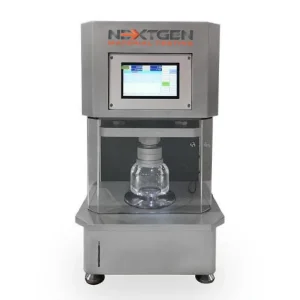
Bursting strength testing for knits commonly points to a diaphragm-type bursting strength tester (often described as a Mullen-type bursting tester) with appropriate clamping rings, pressure generation/control, and a means of reading the bursting value at rupture.
Common equipment considerations: clamping area compatibility with the cited method, pressure measurement range and resolution, repeatability of the pressure ramp, and calibration/support tooling (including verification of the pressure measurement and evaluation of diaphragm condition).
If you are matching a tester configuration to a lab’s required range and reporting needs, you can request a detailed quote for an appropriate bursting setup and options.
How to Read This Designation or Revision
“JIS L 1018.6.17” is a clause-level reference: JIS (Japanese Industrial Standard), “L” (textiles), standard number 1018 (knitted fabric test methods), and clause 6.17 (bursting strength) within that document.
When an edition year is included (for example, “JIS L 1018:1999”), use that exact edition in the lab because fixture details, conditioning requirements, calculations, and reporting rules can vary by revision or by integration into other JIS textile test standards.
Related Standards, Methods, or Frameworks
JIS L 1018 has historically been referenced alongside other JIS textile test methods, and bursting strength testing for fabrics is also commonly specified under JIS L 1096 (woven and knitted fabric test methods) depending on the required edition and consolidation history.
When a customer drawing, brand manual, or procurement spec references both JIS and ISO/ASTM bursting requirements, confirm the exact method type (diaphragm/hydraulic vs. other approaches), reporting units, and acceptance criteria before setting up the test program.
Get help selecting a bursting test setup
If you need to align equipment capability (pressure range, clamp geometry, and reporting outputs) to a specific JIS L 1018 clause reference or an equivalent internal specification, contact our team with your fabric type and required burst range.