JIS Z 2201:1998 defines standardized tensile test piece (specimen) geometries for metallic materials. It is used to help labs and manufacturers prepare consistent specimens so tensile results can be compared across lots, suppliers, and test facilities.
This document focuses on specimen shape and dimensions rather than the tensile test procedure itself. If you need help aligning a legacy drawing or purchase specification to the correct specimen type and current practice, you can talk with our team.
JIS Z 2201:1998 — Test pieces for tensile test for metallic materials
JIS Z 2201 is a Japanese Industrial Standard covering tensile test pieces for metallic materials. It provides the specimen forms used when conducting tensile testing so that geometry-related variability is controlled as much as practical.
| Item | Details |
|---|---|
| Standard | JIS Z 2201:1998 |
| English title (catalog) | Test pieces for tensile test for metallic materials |
| Document type | Specimen / test piece requirements (not a full tensile test method) |
| Publication date | 1998-02-28 |
| Status | Withdrawn (廃止) on 2011-02-21 |
| Transition / integration | Integrated into JIS Z 2241:2011 |
| ICS | 77.040.10 |
Quick Definition
JIS Z 2201 defines standardized tensile specimen forms for metallic materials so tensile testing starts with consistent test piece geometry.
What This Standard Covers
JIS Z 2201 specifies requirements for tensile test pieces used for metallic materials. In practical terms, it is the document that drives how a tensile specimen is shaped and sized before the test is run.
What it does: Establishes specimen forms so tensile testing can be performed on comparable geometry.
What it does not do: Replace the tensile test method itself, machine verification requirements, or lab quality system requirements.
Why This Standard Matters in Testing
Specimen geometry affects tensile results (especially elongation-related values), as well as test stability (alignment, grip slip risk, and fracture location). Using a referenced JIS test piece format helps reduce disagreement between suppliers and receiving inspection when tensile data is used for acceptance.
For procurement and QA/QC, JIS Z 2201 is often cited to make “tensile test piece” a defined, repeatable deliverable—important when results must be traceable to a known specimen form.
Common Materials, Product Types, or Applications Covered
This standard is used with metallic materials when tensile specimens are machined or prepared from product forms such as plate, sheet, bar, rod, and other semi-finished or finished metal products where tensile properties are being evaluated or certified.
Common use cases: Incoming material verification, process qualification, lot release testing, and failure analysis support where a standardized specimen is required.
Common Test or Verification Workflow
JIS Z 2201 typically appears in tensile testing workflows as the specimen preparation reference. The tensile test procedure may be controlled by another standard, while Z 2201 controls the test piece geometry.
Typical workflow: (1) Identify the cited specimen type on the drawing/specification, (2) machine or prepare the test pieces to that form, (3) measure and document key dimensions, (4) apply gauge marks when required by the test plan, and (5) run the tensile test using the applicable tensile method standard for metals.
Because JIS Z 2201:1998 was withdrawn on February 21, 2011, legacy citations may require an edition-matching step before testing begins (for example, when comparing historical data to new results).
Equipment Commonly Used for This Standard
Since this standard is specimen-focused, equipment selection is usually driven by (a) the specimen form referenced and (b) the tensile method used for the actual test.
Common equipment families: Universal testing machines (UTMs) sized for the expected force range, appropriate grips/fixtures for flat or round specimens, extensometers (clip-on or non-contact) when strain or elongation is required, and dimensional metrology tools to verify specimen geometry.
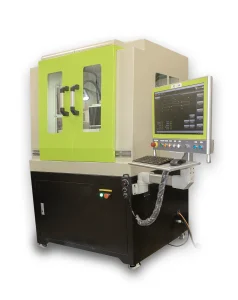
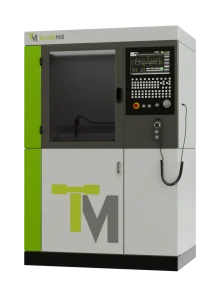
Specimen preparation tools: Machining and finishing capability suitable for producing standardized tensile bars from the product form (often including CNC machining and/or dedicated specimen preparation equipment), plus marking tools for gauge length where needed.
If you are selecting grips, extensometry, or a UTM capacity for metallic tensile work and need a configuration matched to the specimen forms you run most often, you can request a detailed quote for a system package.
How to Read This Designation or Revision
Format: JIS Z 2201:1998 indicates the JIS number (Z 2201) followed by the year of the cited edition (1998) after a colon.
Status note: JIS Z 2201:1998 was withdrawn on 2011-02-21 and was integrated into JIS Z 2241:2011. When a contract or drawing cites “JIS Z 2201” without a year, confirm which edition is intended before preparing specimens and reporting results.
Related Standards, Methods, or Frameworks
JIS Z 2201 is commonly paired with a tensile test method standard for metallic materials. In JIS documentation, JIS Z 2201:1998 is shown as integrated into JIS Z 2241:2011, which is typically where the tensile test procedure is maintained.
JIS Z 2201:1998 is also shown as having a modified relationship (MOD) to ISO 6892:1984 in the official catalog record, which may matter when comparing results or aligning internal procedures to international test programs.
Get help aligning specimen requirements to your tensile test setup
If you need to translate a legacy JIS Z 2201 citation into a practical specimen-prep and tensile testing plan (including grips and extensometry choices), contact our team with your material form, thickness/diameter, and the properties you need to report.