NF EN ISO 868 defines a Shore durometer method for measuring indentation hardness of plastics and ebonite using type A and type D durometers. It is widely used for routine QC and product comparison where fast, repeatable hardness checks are needed.
This is an empirical indentation hardness method, so results are best used for control, incoming inspection, and consistency checks rather than for converting to fundamental material properties. If you need help matching Shore A vs Shore D to your material and specimen form, talk with our team.
NF EN ISO 868 — Plastics and ebonite — Determination of indentation hardness by means of a durometer (Shore hardness)
NF EN ISO 868 is a standard test method for determining indentation hardness using Shore durometers. In practice, it supports quick hardness verification on molded parts, sheets, plaques, and similar polymer forms where a durometer indenter can be applied to a suitable flat surface.
Quick Definition
What it is: A Shore durometer indentation hardness method for plastics and ebonite.
What it outputs: A Shore hardness reading (commonly Shore A for softer materials and Shore D for harder materials), typically taken as an initial reading and/or a reading after a defined dwell time.
How it’s used: Fast, comparative hardness control for production, incoming inspection, and material-to-material consistency checks.
What This Standard Covers
NF EN ISO 868 covers indentation hardness measurement using two durometer types intended for different hardness ranges. The method involves pressing a standardized indenter/foot geometry into the material surface under a defined contact force and reading the resulting hardness value from the durometer scale.
Because indentation hardness depends strongly on surface condition, thickness, and time under load, the standard is typically applied with controlled test timing and consistent specimen preparation.
Why This Standard Matters in Testing
Shore durometer hardness is a common “first-look” property used to monitor formulation changes, cure/processing variation, and lot-to-lot consistency. For many plastic and hard rubber products, Shore hardness is also used as a purchase specification or acceptance criterion.
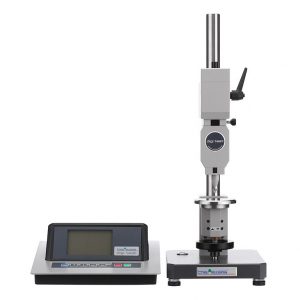
For equipment selection, the key practical factor is repeatability: using the correct durometer type and a stable application method (often a stand) helps reduce operator-to-operator variability.
Common Materials, Product Types, or Applications Covered
Common materials: Plastics across a range of stiffness, and ebonite (hard rubber).
Common product forms: Molded parts, flat plaques, sheets, and other products that can present a suitably flat test surface and adequate thickness for indentation testing.
Common use cases: Incoming material checks, in-process production control, and final inspection hardness reporting for polymer components.
Common Test or Verification Workflow
Most labs use NF EN ISO 868 in a short, repeatable workflow designed to minimize handling variability and support trending over time.
Typical steps:
- Confirm whether the job calls for durometer type A (softer) or type D (harder).
- Prepare or select a test area with a flat, stable surface; ensure thickness and support are appropriate for indentation testing.
- Condition specimens as required by internal procedures or the citing product specification.
- Apply the durometer in a controlled manner and record readings as required (e.g., initial and/or after a defined dwell time).
- Repeat across multiple points and report the results with the durometer type and any required timing details.
Equipment Commonly Used for This Standard
NF EN ISO 868 is closely tied to practical equipment choices because the measurement is sensitive to how the durometer is applied and how the part is supported.
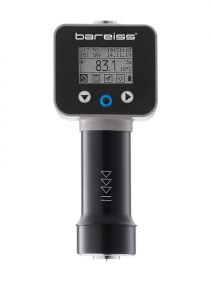
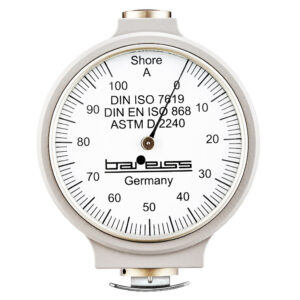
Common equipment: Shore durometer (type A and/or type D), durometer test stand (to control application and dwell time), specimen support/anvil, and basic sample-prep tools for producing flat test areas.
Verification accessories: Durometer calibration/verification blocks and a routine check procedure are commonly used to support ongoing measurement confidence in production and lab environments.
If you are standardizing a QC station or comparing handheld vs stand-based setups, you can request pricing for a durometer package configured for your Shore range and throughput.
How to Read This Designation or Revision
NF EN ISO 868: A French national adoption (NF) of the European version (EN) of the international standard (ISO) covering Shore durometer indentation hardness for plastics and ebonite.
Edition sensitivity: Durometer hardness is timing- and procedure-sensitive, so quoting, reporting, and acceptance criteria should follow the exact edition cited by your customer specification or drawing (including any year noted in the citation).
Related Standards, Methods, or Frameworks
Hardness requirements are often specified alongside other mechanical or process controls. Depending on the material class and customer requirements, related hardness approaches may be referenced for elastomers and other softer products where an alternative hardness method is preferred.
Common cross-references: ISO 48 is often cited for specification purposes for softer rubber materials (using IRHD rather than Shore durometer hardness).
Get help selecting a Shore durometer setup
If you need to align Shore A vs Shore D, stand vs handheld use, or verification accessories to a customer requirement that cites NF EN ISO 868, contact our team with your material type, part geometry, and reporting needs.