NF P94-090-1 is commonly cited for laboratory oedometer (one-dimensional) compressibility testing of fine-grained soils under incremental vertical loading, with the specimen laterally confined to prevent radial strain.
This standard is typically used to support settlement and consolidation evaluations in geotechnical projects where clayey or silty soils control performance. If you need help matching your project specification to the correct edition or an accepted alternate, you can talk with our team.
NF P94-090-1 (P94-090-1) — Oedometric (oedometer) test, Part 1: compressibility of quasi-saturated fine soils
In many laboratory and project documents, this designation points to an incremental loading oedometer test used to determine compressibility behavior of fine soils in a laterally confined ring, with vertical drainage.
The results are commonly used as inputs for geotechnical design checks where one-dimensional compression is a reasonable approximation (for example, settlement calculations beneath foundations and embankments).
Quick Definition
NF P94-090-1: A laboratory oedometer compressibility test method for fine-grained soils using stepwise (incremental) vertical loading while preventing radial deformation.
What This Standard Covers
This standard focuses on measuring vertical deformation of a fine-grained soil specimen during staged loading in an oedometer cell that constrains the sample laterally. The procedure typically emphasizes controlled loading increments, drainage through the specimen faces, and measurement of deformation over time.
Depending on the project’s reporting needs, oedometer data may be interpreted for compressibility parameters and consolidation behavior derived from deformation-versus-stress and deformation-versus-time observations.
Why This Standard Matters in Testing
Oedometer compressibility testing is a practical way to compare fine soils and quantify how they compress under sustained loads. In geotechnical design and QA/QC, it supports decisions tied to predicted settlement magnitude and settlement rate, as well as sensitivity to loading/unloading paths.
Because results can be sensitive to sample quality, drainage conditions, and the exact load schedule, test setup and reporting should be aligned to the exact project-cited version of the standard.
Common Materials, Product Types, or Applications Covered
Common soil types: Fine-grained soils such as clays and silts (often tested in near-saturated or saturated conditions).
Common applications: Foundation and embankment settlement assessments, subgrade characterization, and geotechnical investigations where one-dimensional consolidation behavior is needed as an input.
Common Test or Verification Workflow
Typical oedometer workflows built around this designation include specimen preparation (trimming to the ring), placement between porous elements to allow drainage, and staged loading (and sometimes unloading/reloading) while tracking vertical deformation.
Common workflow steps: Specimen trimming and measurement, setup in a rigid ring, saturation/conditioning as required by the test plan, incremental loading with defined hold criteria, deformation readings over time, and compilation of stress-deformation plots and key derived values requested by the client/specification.
Equipment Commonly Used for This Standard
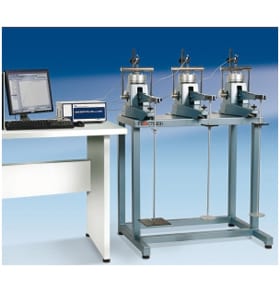
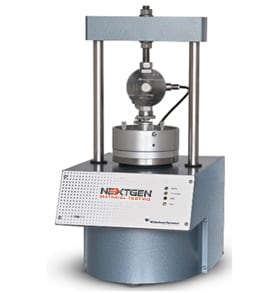
The equipment path typically points to an oedometer (consolidation) system that can apply stable vertical loads in increments and measure very small displacements over extended durations.
Common equipment: Oedometer cell with fixed ring (consolidation ring), loading frame (deadweight lever arm or electromechanical loading), displacement measurement (dial gauge or LVDT), porous stones and drainage accessories, water reservoir/bath where required, and data acquisition/software for timed readings and plotting.
If you are comparing manual versus automatic loading frames, or choosing ring sizes and displacement sensor ranges, you can request a detailed quote for an oedometer setup matched to your throughput and reporting needs.
How to Read This Designation or Revision
The “P94” series is widely associated with French geotechnical investigation and laboratory soil testing references. The “-090-1” suffix is commonly treated as the first part within an oedometer testing series.
Revision sensitivity: This designation is often cited in practice as “NF P94-090-1,” but the corresponding AFNOR catalog record is published as “XP P94-090-1” (December 1997) and is shown as cancelled. When a contract cites “NF P94-090-1,” confirm the exact referenced document, date/edition, and any accepted replacement method before finalizing test setup and reporting.
Related Standards, Methods, or Frameworks
Many laboratories and specifications also reference EN/ISO methods for incremental loading oedometer testing, particularly ISO 17892-5 (incremental loading oedometer test). Where multiple standards are permitted, the load schedule, saturation/conditioning expectations, and required reported parameters should be aligned to the project specification.
Talk with a testing equipment specialist
If you need an oedometer system configured for incremental loading tests (manual or automated), including suitable rings, load capacity, sensors, and data capture, you can ask for a quote based on your soil types and reporting requirements.