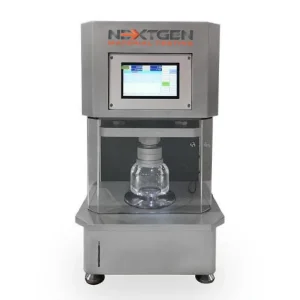
SATRA TM170 is a SATRA test method for measuring burst strength and distension of thin, flexible materials using a diaphragm bursting approach. It is commonly used when you need an objective way to compare how materials behave under multi-directional stressing until rupture.
If you are unsure whether TM170 is the right burst approach for your material type, thickness range, or end-use requirement, talk with our team about the most practical test setup and reporting targets for your lab.
SATRA TM170: Burst strength and distension – diaphragm method
SATRA TM170 is a test method issued by SATRA for determining burst strength, along with a distension measurement that captures how far the specimen domes before failure.
This method is designed for thin, flexible materials where a diaphragm-based bursting configuration is an appropriate way to apply uniform, multi-axial deformation.
Quick Definition
What it is: A diaphragm burst test method that records bursting pressure at failure and the specimen distension (dome height) at burst.
What it’s used for: Comparing material robustness under dome-forming deformation, often for upper, lining, textile, and coated textile constructions where burst-type loading is a meaningful screening tool.
What This Standard Covers
SATRA TM170 is intended to determine the burst strength of a material and is applicable to thin flexible material types.
In principle, a circular specimen and an elastic diaphragm are clamped at the edges over a chamber. Hydraulic fluid is forced into the chamber at a constant rate to stretch the specimen into a dome until it fails, while pressure at failure and distension (dome height) are recorded.
Why This Standard Matters in Testing
Burst performance is often used as a practical indicator of how a flexible material withstands localized stressing, pressure, or deformation that is not purely uniaxial (as in a simple strip tensile test).
Because TM170 records both burst pressure and distension, it can help distinguish between materials that fail at similar pressures but exhibit different deformation behavior before rupture.
Common Materials, Product Types, or Applications Covered
SATRA lists TM170 usage for flexible material categories including leather (such as uppers and linings) and textiles/coated textiles (including synthetic uppers and linings).
It is also used in broader thin flexible material evaluations where a diaphragm burst method is appropriate for comparing constructions and batches.
Common Test or Verification Workflow
TM170 is commonly used as a comparative physical property test within incoming material approval, supplier qualification, product development, and routine QA/QC.
Typical workflow placement: Define material acceptance targets (burst strength and/or distension), condition and sample material consistently, run burst testing on replicate specimens, and report pressure at failure plus dome height at burst as required by the controlling specification or customer requirement.
Equipment Commonly Used for This Standard
TM170 points to a diaphragm bursting configuration with hydraulic pressurization, edge clamping, and measurement of both pressure and distension (dome height).
- Diaphragm bursting strength tester (hydraulic): A system that increases pressure at a controlled rate and captures the burst pressure at specimen failure.
- Clamping system for circular specimens: Holds the specimen and diaphragm securely around the perimeter to avoid edge slip and leakage.
- Distension (dome height) measurement: A mechanism/sensor for recording the height of the dome at burst.
- Specimen cutting tools: For preparing consistent circular test pieces suitable for the clamp opening.
Quoting caution: For equipment selection, the key practical match points are the clamp/specimen geometry your program expects, the pressure range needed for your materials, and how distension is measured and reported.
How to Read This Designation or Revision
Designation: “SATRA TM170” identifies the SATRA test method number for burst strength and distension using the diaphragm method.
Issue history: SATRA indicates the method was first issued in December 1992. When TM170 is invoked by a contract, brand manual, or purchase specification, the exact edition (including any later updates) should match what is cited in that controlling document.
Related Standards, Methods, or Frameworks when useful
SATRA TM170 does not list additional referenced standards within its SATRA test method record.
If you need to align TM170 reporting with a separate customer or regulatory framework, confirm the exact method citation and reporting expectations before finalizing fixtures, pressure capacity, and distension readout.
Get help selecting a TM170 bursting test setup
If you are equipping a lab or replacing an older burst tester and need a configuration that matches your TM170 workflow (pressure capacity, clamping approach, and distension measurement), you can request a detailed quote for an equipment package matched to your materials and reporting requirements.