SATRA TM92 is a SATRA test method for evaluating the resistance of completed footwear to repeated flexing. It is commonly used to check finished shoes for durability-related damage that can occur in the flex area during wear.
Because TM92 is a whole-footwear method, it is typically used for product validation, supplier qualification, and ongoing QA checks where the upper–sole assembly and construction details matter. If you need help matching the right edition or conditioning approach to your product category, you can talk with our team.
SATRA TM92: Resistance of footwear to flexing
SATRA TM92 focuses on repeated flexing of an intact shoe through a set angle around the footwear’s natural flexing line. The outcome is an inspection-based assessment of visible damage after a defined number of flexes and/or at defined inspection intervals.
This method is intended for completed footwear and is not designed to measure flex crack resistance of upper or soling materials as standalone materials tests.
Quick definition
Standard type: Test method (whole-footwear flexing endurance).
What it evaluates: Resistance of a finished shoe to damage from repeated flexing in the forepart/flex zone.
Typical result: Presence/absence and severity of damage (for example, cracks, splits, separations, or other visible deterioration) at specified flex counts.
What this standard covers
TM92 describes a lab procedure where a completed shoe is mounted in a flexing machine and repeatedly flexed through a specified angle about its natural flexing line. The flexing angle and the inspection frequency are selected based on the type of footwear being evaluated.
The method is used to observe how the complete construction responds to repeated bending, including effects that may not be captured by material-only flex tests.
Why this standard matters in testing
Flex durability is a high-impact performance attribute because the flex zone is one of the most stressed regions during walking and repeated wear. TM92 is often used to screen for early construction or material interaction problems that can lead to customer complaints, returns, or field failures.
For labs and QA teams, TM92 also supports side-by-side comparisons across factories, materials, or process changes when the goal is to keep overall shoe durability consistent.
Common materials, product types, or applications covered
TM92 is written for most types of completed footwear. It is commonly applied to:
- Athletic and casual footwear where forepart flex is frequent
- School and uniform footwear where durability expectations are high
- Work and outdoor footwear where construction robustness is critical
- Private label programs that require a defined flex endurance check on finished shoes
When the objective is to evaluate an upper material or soling material on its own (rather than the whole shoe), a different material-level flex method is typically more appropriate.
Common test or verification workflow
A typical TM92 workflow in a footwear QA program includes:
- Selecting the appropriate flexing angle and inspection interval for the footwear type being tested
- Mounting the intact shoe so the machine flexes the footwear around its natural flexing line
- Running the test for a defined number of flexes, pausing at planned intervals for inspection
- Recording observed damage and where it occurs (upper, flex zone, outsole area, bond line, etc.)
Reporting sensitivity: Acceptance criteria (pass/fail language, inspection intervals, and maximum flex counts) are often defined by a brand specification or buyer requirement that cites TM92, so results should be reported in the same structure used by the governing requirement.
Equipment commonly used for this standard
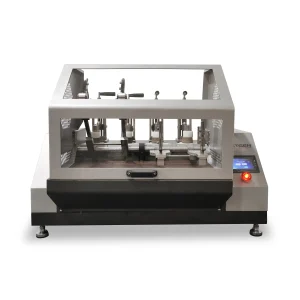
TM92 is a whole-shoe flexing method, so equipment selection is primarily about holding a complete shoe securely and flexing it repeatedly to a controlled angle.
Common equipment families: Whole-shoe flexing testers (footwear flexing endurance machines) with cycle counting, adjustable fixtures, and controls suitable for repeated flexing of completed footwear.
Common accessories and considerations: Appropriate shoe mounting fixtures for the size/type being tested, settings that support the required flex angle, and an inspection workflow that makes it practical to stop and assess the footwear at defined intervals.
If you are configuring a system for a buyer specification that cites TM92 (including a particular edition or a specific flex count), you can request a detailed quote for a whole-shoe flexing setup matched to your throughput and sample types.
How to read this designation or revision
Designation format: “SATRA TM92” is the test method identifier used in specifications and test plans.
Revision sensitivity: TM92 has multiple historical revisions (including a 1992 revision and a November 2016 revision), and some documents cite an edition year (for example, “TM92:1992”). Test setup and reporting expectations can depend on the exact cited edition and any brand-specific overlays.
Related standards, methods, or frameworks
SATRA TM92 references other SATRA methods in the broader area of footwear flexing and related performance checks.
Commonly paired reference: SATRA TM77 (Flexing machine – water penetration test) may be used when a program needs flexing combined with water penetration assessment rather than durability-only observation.
Get help selecting TM92 equipment and test setup
If your requirement specifies TM92 flex counts, inspection intervals, or footwear categories, we can help translate that into a practical lab configuration and operating workflow. Share your cited edition and product type and contact our team for guidance.