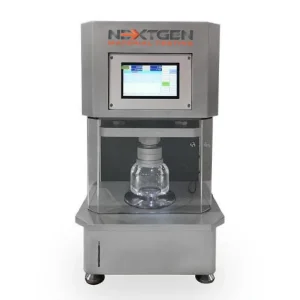
Woolmark TM 29 is commonly associated with bursting strength evaluation for textile materials in Woolmark-related test programs.
For laboratories, the method usually points to a bursting-strength tester, secure specimen clamping, controlled pressure application, and result reporting matched to the exact customer or Woolmark requirement. If you need help matching the cited requirement to a practical equipment path, contact our team.
Woolmark TM 29 Textile Bursting Strength Testing
Woolmark TM 29 is used in textile testing contexts where the bursting strength of a fabric or related textile material is evaluated.
The method should be followed according to the exact customer requirement, Woolmark program document, or cited edition because textile bursting tests can differ by apparatus and specimen setup.
Quick Definition
Document type: brand-owned textile test method.
Main focus: bursting strength of textile materials.
Primary equipment path: bursting-strength testers, clamping systems, pressure control, specimen preparation, and reporting tools.
What This Standard Covers
Woolmark TM 29 is associated with measuring the resistance of a textile specimen to rupture under pressure.
The workflow is most relevant when a fabric must be assessed for strength under multidirectional stress rather than simple uniaxial tensile loading.
Why This Standard Matters in Testing
Bursting strength can matter for knitted fabrics, wool-containing textiles, apparel materials, and other fabrics where pressure or multidirectional stress is part of use.
For buyers, the key equipment questions are apparatus type, pressure range, clamp compatibility, specimen size, and reporting format required by the cited program.
Common Materials, Product Types, or Applications Covered
The method is used in textile and fabric testing contexts.
Common material or product areas: wool fabrics, knitted textiles, apparel fabrics, textile panels, and customer-specified fabric samples.
Common application questions: whether a textile material has sufficient bursting resistance for quality control, specification comparison, or program compliance.
Common Test or Verification Workflow
A typical workflow prepares fabric specimens, clamps each specimen securely, applies controlled pressure until rupture or endpoint, and records the bursting result.
Specimen conditioning, clamp area, pressure rate, and result reporting should follow the exact Woolmark or customer requirement.
Workflow focus: specimen conditioning, clamping, pressure application, rupture detection, and bursting strength reporting.
Equipment Commonly Used for This Standard
Woolmark TM 29 work generally points to a dedicated textile bursting-strength tester.
Common equipment families: pneumatic or hydraulic bursting testers, textile clamps, diaphragms or pressure heads as required, specimen cutters, conditioning support, pressure sensors, and reporting software.
Selection focus: confirm apparatus type, pressure range, clamp area, specimen size, conditioning needs, and exact cited program requirement. If you are comparing equipment configurations for this workflow, request a quote.
How to Read This Designation or Revision
Woolmark TM 29 is a Woolmark test method designation.
Because it is a brand-owned method, the controlling customer or program document should be used when configuring equipment and reporting results.
Related Standards, Methods, or Frameworks
ISO 13938 and other textile bursting strength standards may be used in related workflows, but they should not be treated as automatic substitutes for Woolmark TM 29.
Need Woolmark TM 29 Bursting Test Equipment?
If you need to compare textile bursting tester options for a Woolmark-related workflow, request a quote.